Hidden Door Designer: The Art of Handcrafted Concealment for 2026
A secret door is a high-performance machine disguised as fine furniture. It is a bold statement, but anyone who has seen a cheap imitation sag or stick after six months knows the truth of it. When you collaborate with a professional hidden door designer, you aren't just buying a bookcase; you're investing in structural engineering that ensures a heavy, fully loaded unit glides open with a single finger. You likely want the intrigue of a secret passage without the frustration of misaligned trim or a door that scrapes your hardwood floors.
This guide reveals how master craftsmanship and advanced hardware turn a simple partition into a functional masterpiece. You'll discover the difference between flimsy kits and furniture-grade builds like the Alpha Door or bespoke Mirror Doors. We'll show you how to navigate the complexities of installation and why choosing the right materials, such as FAS grade White Oak or Hard Maple, is essential for a door that remains invisible for decades. From smart technology integration to 2026 building code compliance, learn how to create a seamless sanctuary that increases both your home's security and its long-term value.
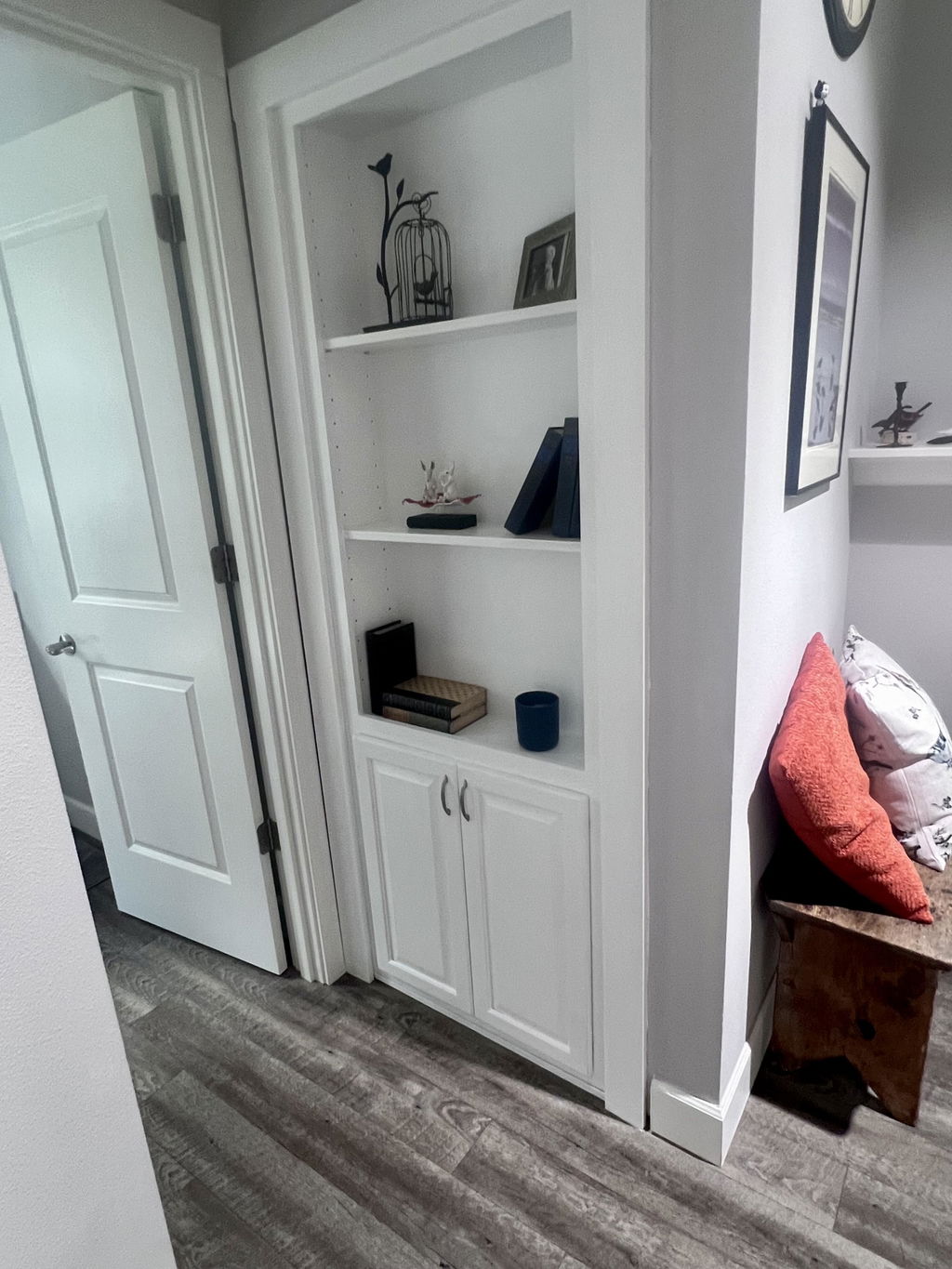
A professional hidden door designer doesn't simply build a bookcase; they engineer a moving wall. While the history of secret passages dates back centuries, the modern execution requires a rare intersection of master cabinetry and mechanical precision. It's the difference between a novelty item and a permanent architectural feature. A designer must calculate the exact physics of a pivot point while ensuring the wood grain remains perfectly aligned with the surrounding room. This level of detail ensures that the door functions as a high-performance machine while maintaining the appearance of static, handcrafted furniture.
Success in this field relies on accounting for variables that standard carpenters often overlook. A true hidden door designer understands that a fully loaded bookshelf can weigh several hundred pounds. Without calculating for load distribution, swing clearance, and wall depth, a door will eventually fail. Professional design prioritizes the structural integrity of the frame to prevent the tell-tale sag that plagues amateur installations. When a door drags on the floor or leaves a wide gap at the top, the secret is lost. Precision engineering keeps the unit level and the operation silent, regardless of how many books or collectibles are stored on its shelves.
Artisan Craftsmanship vs. Mass Production
Mass-produced kits often rely on cam-lock assembly and thin veneers, which lack the rigidity required for a heavy, pivoting unit. In contrast, handcrafted furniture-grade units use traditional joinery and solid lumber. A master builder selects grain-matched hardwoods, ensuring the door looks like it was carved from the same tree as your existing trim. This dedication to material quality, specifically avoiding the fragility of MDF or particle board, ensures your door operates smoothly for decades. It’s a commitment to longevity that mass production simply can't match.
The Aesthetic of Invisibility
True concealment is achieved through the meticulous management of shadows and gaps. A designer uses custom trim and molding to mask the door frame, integrating the unit into the room's existing architectural narrative. Light-leak prevention is equally critical; no secret room is truly hidden if a sliver of light escapes from the edges. Whether you're installing an Alpha Door or a sophisticated Mirror Door, the goal is a seamless transition. By controlling the reveal and the swing clearance with mathematical precision, the designer ensures the door remains entirely invisible to the uninitiated eye.
Structural integrity begins with the grain. A master hidden door designer knows that the choice of material isn't just an aesthetic preference; it's a strict requirement of physics. A fully loaded bookcase door can easily exceed 300 pounds. When that weight is concentrated on a single pivot point, the torque exerted on the frame is immense. MDF and particle board, while common in mass-produced cabinetry, lack the internal fibrous bond to withstand this pressure. Over time, fasteners in manufactured wood will inevitably pull through the material, leading to the catastrophic sag that ruins concealment.
Selecting the right species is a balance of weight, density, and stability. White Oak and Hard Maple are the preferred choices for 2026 projects due to their exceptional hardness and resistance to wear. According to market data from April 2026, FAS grade Hard Maple is holding steady at $925 to $1,225 per thousand board feet, reflecting its high demand for premium structural furniture. These hardwoods provide a rigid skeleton that won't twist or bow under load. For a lighter touch without sacrificing strength, Alder offers a beautiful grain that takes stains exceptionally well, making it ideal for matching existing home interiors.
The Structural Integrity of Solid Wood
Fasteners behave differently in real wood. Screws bite into natural fibers, creating a mechanical lock that manufactured alternatives can't replicate. This grip is vital for maintaining seamless architectural integration, as even a millimeter of shift can expose the door's edges. Solid wood also manages seasonal expansion more predictably. For more on material selection, see Solid Wood vs MDF: Why Furniture Grade Materials Matter.
Longevity and Heirloom Quality
A secret door should be a permanent part of the home's legacy. Real wood allows for an heirloom-quality finish that ages gracefully. Unlike laminated particle board, solid wood can be refinished to suit changing decor over decades. This durability impacts property value, as a high-functioning passage is a structural asset. Consulting with a hidden door designer ensures a build that outlasts the house itself. Browse handcrafted secret doors to find a permanent solution.
Standard butt hinges are designed for a 50-pound slab, not a 300-pound bookcase. A professional hidden door designer must specify a pivot system that handles massive vertical loads while maintaining perfect horizontal alignment. This is where the architectural fascination with creating perfectly hidden doors meets the cold reality of mechanical torque. Unlike traditional hinges that pull on the door jamb and cause it to warp over time, a heavy-duty pivot system transfers the weight directly to the floor. This engineering choice ensures the door doesn't bind, even when the shelves are fully stocked with heavy hardbacks or collectibles.
Calculating the arc of the swing is a game of millimeters. If the clearance is off by even a fraction of an inch, the unit will strike the surrounding wall or the floor. Precision-engineered steel pivot systems are the silent heroes of this process. They allow for "one-finger operation," where a massive piece of furniture moves with effortless grace. This level of smoothness isn't just about the "wow factor"; it's a functional necessity that prevents the door from vibrating or making noise, which would immediately give away its location to anyone nearby.
In-Swing Design Considerations
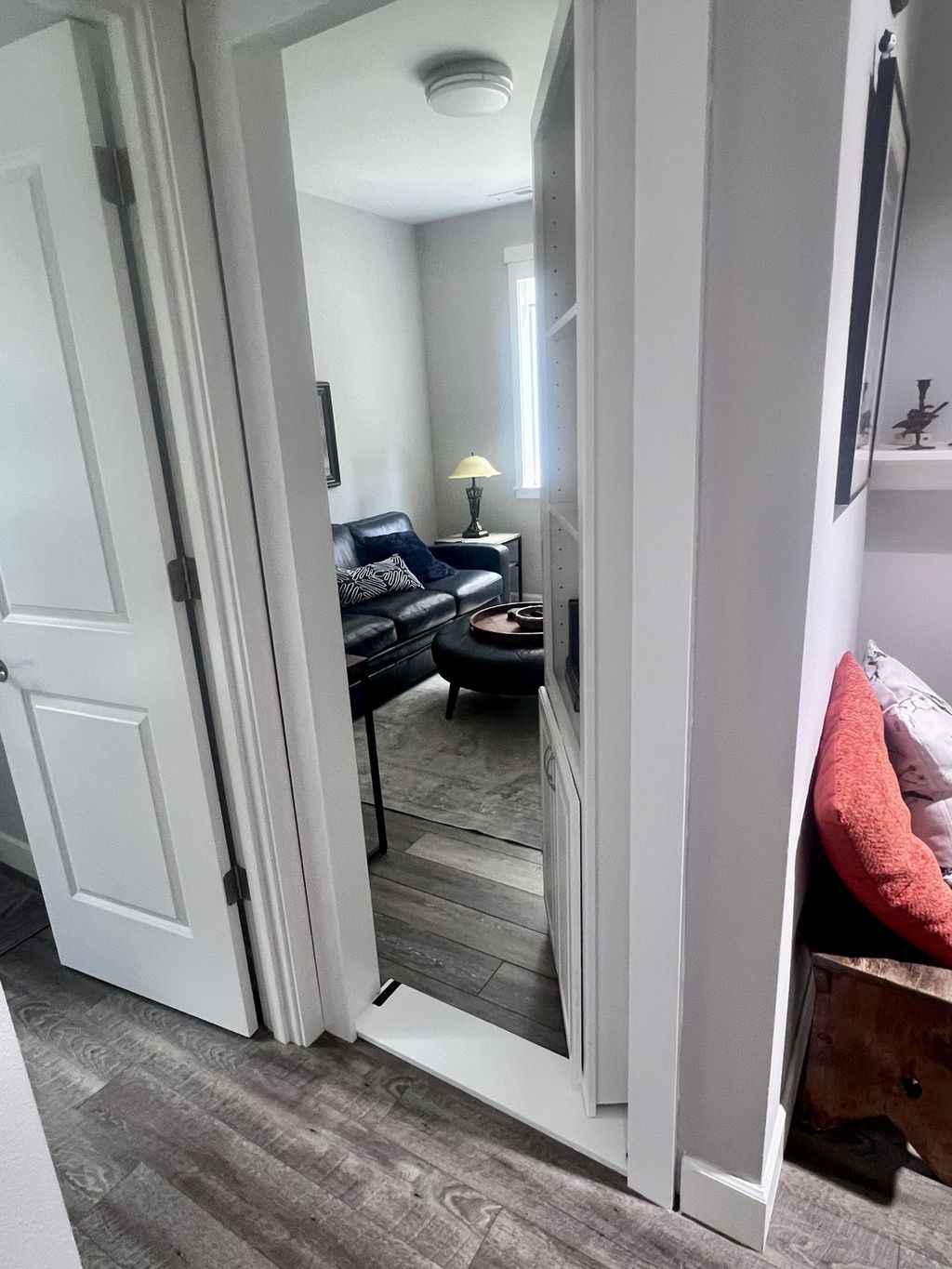
Pushing a door inward is the preferred choice for safe rooms and high-security areas. It allows the exterior trim to remain completely flush with the wall, leaving no visible hardware or tell-tale gaps for intruders to find. However, this configuration requires a dedicated "dead zone" inside the secret room to accommodate the door's arc. A hidden door designer must carefully map out the interior floor plan to ensure that furniture or equipment doesn't block the passage. Managing the "stop" is also critical, as the door must rest perfectly in line with the wall every time it closes.
Out-Swing Design Advantages
When interior space is limited, such as in a small walk-in closet or a gun room, an out-swing configuration is often the superior solution. This design pulls the bookcase into the hallway, utilizing the depth of the cabinet to mask the transition. It turns the door into a bold architectural feature while keeping every square inch of the hidden room functional. For wider openings, many homeowners consult The Ultimate Buying Guide to Double Bookcase Secret Doors for 2026 to understand how two synchronized units can provide a grand entrance without sacrificing concealment.
Customization isn't just about shelf height; it's about matching the lifestyle of the homeowner. While the library look is a timeless classic, a modern hidden door designer looks at a room and sees potential for more than just books. The secret is in the details. Whether you're looking to secure a collection of vintage firearms or simply want to hide a messy utility room, the design must reflect the specific utility of the space. Every project is an opportunity to blend structural engineering with a client's unique vision, ensuring the door serves a dual purpose as both a functional asset and a masterfully disguised entrance.
The Alpha Door represents the peak of structural concealment, built to handle the heaviest loads while remaining perfectly flush with the surrounding wall. For master suites, Mirror Doors offer a sophisticated solution that adds light and a sense of space while hiding a walk-in closet or ensuite bathroom. If you're working with a grand entryway, Double Bookcase Doors provide a massive, functional wall that splits in the middle for a dramatic reveal. These units require extreme precision to ensure the two halves meet perfectly every time they close, maintaining the illusion of a solid wall.
Security and Concealment
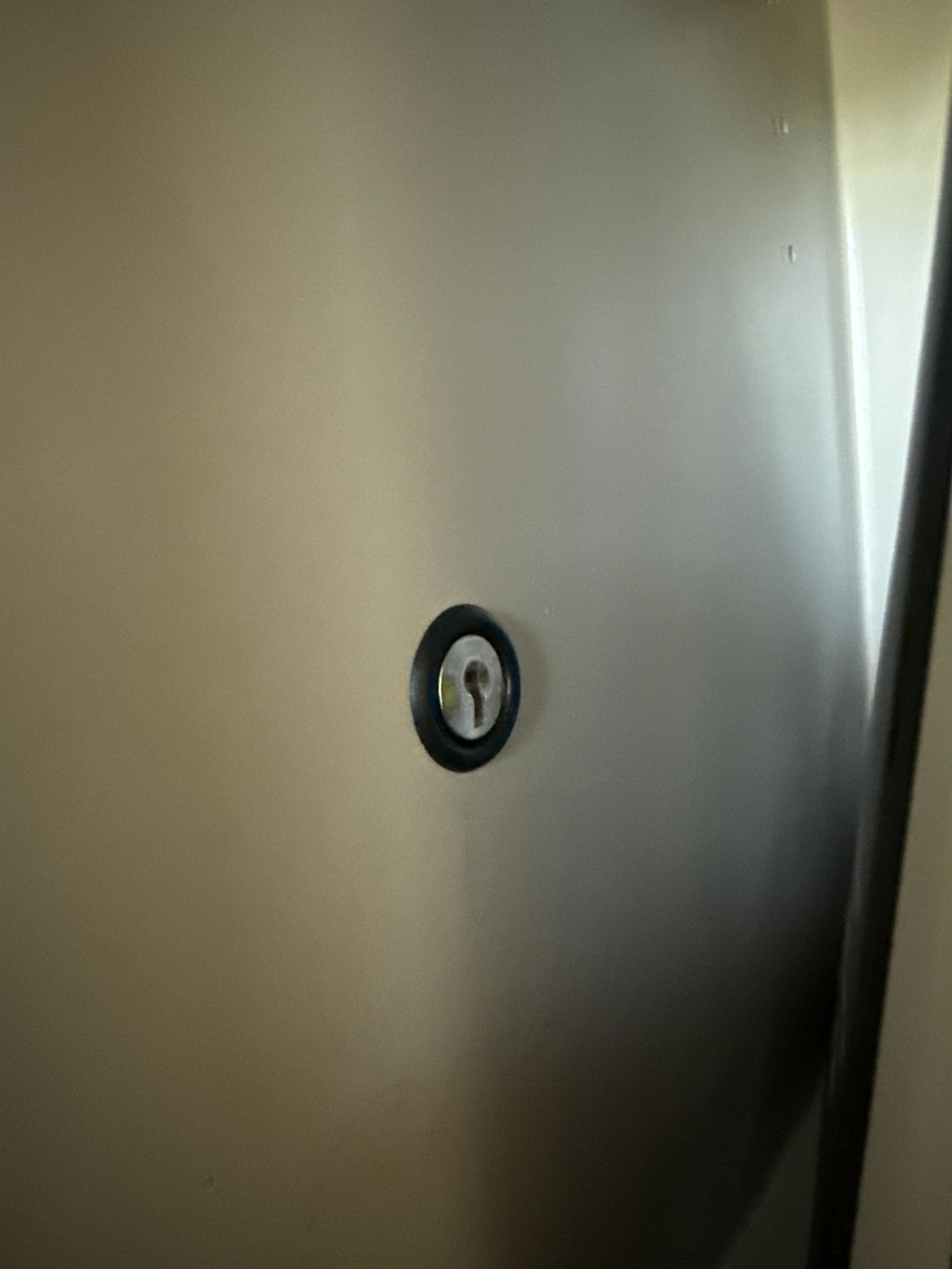
Homeowners often prioritize security when designing a secret passage. A Gun Cabinet Door must balance quick access with total invisibility, providing a safe haven for valuables that doesn't draw unwanted attention. Locking mechanisms have evolved significantly in 2026, ranging from simple magnetic catches to high-security keypad systems that stay hidden behind a sliding book or a decorative trim piece. For those looking to protect their collection, The Ultimate Buying Guide for Gun Concealment Doors in 2026 provides a deep dive into the latest security standards and hardware options.
Functional Aesthetics
A Wine Rack Door turns a cellar entrance into a conversation piece, while a Pool Cue Door is the perfect addition to a custom billiards room. These specialized hobby doors require a hidden door designer to account for the specific weight and dimensions of the items they hold. Choosing the right wood species is essential for these high-traffic areas. Alder and Walnut are popular for luxury interiors because they offer a rich, sophisticated grain that complements high-end furniture. You can explore a variety of customized secret passages to see how these materials and designs come together in a finished home.
Transforming a standard wall into a secret passage is a methodical process that rewards patience and precision. It begins with a shift from imagination to technical planning. While automated design tools offer a starting point, they can't replace the seasoned eye of a professional hidden door designer. This collaboration ensures that every detail, from the swing clearance to the wood grain, is tailored to your specific home environment. By following a structured path, you move from a conceptual vision to a rugged, dependable reality that functions with the grace of a fine instrument.
The build process takes place in a professional woodworking shop where master artisans transform raw lumber into a high-performance machine. Once you've selected your wood species, finish, and trim style, the door is handcrafted using traditional joinery techniques. This stage is where structural integrity becomes a physical reality. After the build is complete, the unit undergoes rigorous testing to ensure one-finger operation before being crated for national shipping. Coordination with a professional installer ensures the transition from the crate to your wall is handled with the same level of care used during the manufacturing phase.
Measuring for Success
The "measure twice, build once" philosophy is the cornerstone of custom cabinetry. A hidden door is only as good as the measurements of its rough opening. A hidden door designer will guide you through accounting for floor levelness and wall plumbness, two factors that often vary in even the newest homes. If a wall is slightly out of plumb, the door may swing open on its own or fail to sit flush. Professional guidance during this phase prevents costly errors and ensures the final unit integrates seamlessly with your existing architectural narrative without gaps or light leaks. Precision is paramount.
Bringing the Master Artisan Home
Hide-A-Way Doors bridges the gap between the workshop and your living room through a national network of installation professionals. This network ensures that the final reveal is as impressive as the initial concept. Seeing a massive bookcase glide open for the first time is a moment of discovery, but the true satisfaction comes from the peace of mind that the door is built to last. The final operation should be smooth, silent, and entirely reliable. If you're ready to add a layer of intrigue and security to your home, Consult with a Hide-A-Way hidden door designer today and begin your custom project.
Building a secret passage is more than a simple home improvement; it's an investment in your property's character and security. You've seen how true concealment requires a marriage of structural physics and master-level woodworking. By prioritizing real wood construction and precision-engineered pivot systems, you avoid the common pitfalls of sagging frames and visible gaps. A dedicated hidden door designer ensures that every millimeter of your new entrance is accounted for, from the initial rough opening to the final trim alignment.
Since 2012, our family-owned business has focused on delivering furniture-grade quality that lasts a lifetime. Every unit is handcrafted in the USA using solid hardwoods, completely avoiding the fragility of MDF or particle board. With our national installation network, you can trust that your vision will be executed with the same level of care used in our workshop. Whether you're hiding a safe room or adding a unique library entrance, the result is a rugged, dependable masterpiece.
Can I design a hidden door for an existing doorway?
Yes, you can certainly integrate a secret passage into an existing doorway. Most professional designs are engineered to fit standard rough openings, though a hidden door designer will need to verify the depth of your wall to ensure the unit can swing freely without obstruction. If your doorway is a non-standard size, a custom-built unit can be manufactured to match your specific dimensions, ensuring the final installation looks like a permanent part of the room's original architecture.
How much weight can a custom bookcase door actually hold?
A professionally engineered bookcase door can typically support up to 500 pounds of weight. This capacity depends entirely on the use of a heavy-duty steel pivot system rather than traditional hinges. These systems transfer the load directly to the floor, allowing you to fill every shelf with heavy hardback books or collectibles without worrying about the frame sagging or the door becoming difficult to operate over time.
What is the difference between a Murphy door and a Hide-A-Way door?
The primary difference lies in the construction materials and manufacturing philosophy. While Murphy doors are a well-known brand often starting at approximately $1,000 for entry-level models, Hide-A-Way doors focus on heirloom-quality craftsmanship. We utilize solid hardwoods like Oak and Maple for every build, whereas other brands may incorporate manufactured materials. Our units are designed as high-performance machinery disguised as fine furniture, prioritizing structural longevity and a national network of professional installers.
Do hidden doors require a special floor type for the pivot?
No specific floor material is required, but the surface must be level and structurally sound. Whether you have hardwood, tile, or low-pile carpet, the steel pivot system is designed to mount securely to the subfloor. A hidden door designer will account for the thickness of your flooring during the measurement phase to ensure the door clears the ground perfectly. If your floor is significantly out of level, minor adjustments or a specialized threshold may be necessary for smooth operation.
Can a hidden door be locked from the inside for a panic room?
Yes, secret doors can be equipped with various internal locking mechanisms for use in panic rooms or safe rooms. Options range from simple mechanical deadbolts to sophisticated electromagnetic locks that can be triggered by a hidden switch or a mobile app. These systems are designed to be entirely invisible from the exterior, ensuring that the room remains a secure and undetectable sanctuary even when someone is inside.
What wood species is best for a painted hidden door finish?
Poplar and Hard Maple are the superior choices for a painted finish. Poplar is a favorite among craftsmen because it is a tight-grained hardwood that takes paint exceptionally well without showing heavy grain patterns. Hard Maple is even more durable and provides an incredibly smooth surface for a high-end, furniture-grade finish. Both woods offer the structural rigidity needed for a heavy door while ensuring the paint doesn't crack or peel due to seasonal expansion.
How long does the custom design and build process typically take?
The timeline for a custom build typically spans several weeks from the finalization of measurements to delivery. This duration allows for the careful selection of grain-matched lumber, the handcrafted assembly process, and the application of professional finishes. Because each unit is built to order in a professional woodworking shop, this methodical approach ensures that the finished product meets our rigorous standards for durability and seamless architectural integration before it is crated for shipping.
Are DIY hidden door kits as strong as pre-assembled units?
DIY kits can be a functional solution for light-duty applications, but they rarely match the strength of a pre-assembled, furniture-grade unit. Professional builds utilize traditional joinery and industrial-grade fasteners that are difficult to replicate with a home toolset. Pre-assembled doors also undergo factory testing to ensure the pivot mechanics are perfectly aligned, which is critical for preventing the door from sticking or sagging under the weight of a full library.