7 Hidden Wine Cellar Door Examples to Elevate Your Home Speakeasy in 2026
A world-class wine collection deserves more than a standard entryway. It demands a threshold that preserves the mystery of the vintage within while functioning as a high-capacity structural barrier. You've likely spent years curating your labels and months planning the perfect environment, yet the fear of a sagging door or a broken thermal seal often halts the dream of a secret entrance. A properly engineered hidden wine cellar door must do more than just vanish into the wall; it has to support the substantial weight of solid wood and bottles without losing its alignment over time.
We understand the precision required to maintain a steady 55 degrees and 70 percent humidity behind a seamless facade. You'll learn how to blend high-end wine storage with secret room engineering to create the ultimate clandestine home cellar for 2026. This guide previews seven sophisticated examples, from the classic Wine Rack Door to expansive Double Bookcase designs, that prioritize professional-grade security and durable, real-wood craftsmanship. We'll show you how to hide hinges and seams while ensuring your collection remains a well-guarded secret.
Key Takeaways
Discover the engineering secrets behind supporting a high-capacity hidden wine cellar door without compromising structural integrity or secret room concealment.
Learn why solid wood construction is non-negotiable for maintaining the strict climate control and thermal barriers required for vintage storage.
Compare specialized designs like the Alpha Bookcase and the Wine Rack Door to determine which "speakeasy" aesthetic fits your architectural vision.
Identify critical planning logistics, including how to choose between in-swing or out-swing pivots based on your cellar’s footprint and clearance.
Explore the impact of premium wood species on longevity, ensuring your custom entrance remains a durable, functional piece of art for decades.
Beyond the Basement: Why Hidden Wine Cellar Doors Are the Ultimate Home Luxury
In 2026, luxury interior design has shifted away from overt displays of wealth toward curated, experiential spaces. The modern hidden wine cellar door is no longer just a utility; it's a functional art piece that anchors the home speakeasy trend. While standard glass doors offer a gallery-style presentation, they lack the quiet confidence and intrigue of a hidden portal. A secret entrance transforms a basement or pantry into a destination, offering a level of privacy that standard architectural choices simply cannot match. It also adds tangible value to high-end real estate. Buyers increasingly seek out "wow factor" features that differentiate a property, and a perfectly executed concealment system suggests a level of custom craftsmanship that mass-produced homes lack. We focus on enduring quality, using time-honored craftsmanship to create doors that are as dependable as they are beautiful.
The rise of the home speakeasy reflects a desire for sanctuary and storytelling within the home. Homeowners are looking for ways to blend high-end wine storage with secret room engineering. This isn't just about hiding a room; it's about the meticulous integration of heavy-duty storage into the home’s existing aesthetic. A standard cellar door acts as a boundary, but a hidden portal serves as an invitation to discovery. By choosing materials like Alder, Oak, or Cherry, you ensure the door matches your decor perfectly, making the transition from a library or bar into the cellar completely undetectable to the untrained eye.
Choosing a hidden portal over a traditional entrance offers several distinct advantages:
Increased privacy for high-value collections and sensitive inventory.
Superior thermal insulation compared to standard dual-pane glass.
Seamless integration with existing cabinetry and bespoke millwork.
Enhanced structural support designed specifically for heavy bottle loads.
The Psychology of the Secret Entrance
The allure of a hidden entrance is deeply rooted in the historical fascination with secret passages, evoking a sense of mystery. For a collector, the "reveal" facilitates a psychological transition from public living space to a private sanctuary. Concealment protects high-value vintages from casual view while creating a narrative for guests. When a seamless bookcase swings open to reveal a climate-controlled vault, the tasting experience becomes an event rather than a routine.
Concealment vs. Security: Finding the Right Balance
Finding the right balance between visual stealth and physical strength is critical for any hidden wine cellar door. The Alpha Door system bridges this gap by utilizing a heavy-duty pivot that supports the weight of real wood and bottle storage without sagging. Unlike flimsy MDF alternatives, our solid wood designs provide a robust physical barrier. Whether you're integrating a Wine Rack Door or a Double Bookcase Door, the goal is a seamless fit that keeps your collection secure and invisible.
Engineering Secrecy: Balancing Structural Integrity with Climate Control
Engineering a hidden wine cellar door involves solving a complex physics problem: how to move hundreds of pounds of glass and liquid with the push of a finger. A standard wine bottle weighs roughly three pounds. When you populate a specialized door with 50 or more bottles, you're adding 150 pounds of static load to the door's own weight. Most standard hinges would buckle or sag within weeks under this pressure. Our approach relies on a heavy-duty pivot system that transfers that weight directly into the floor. This prevents the door from dragging and ensures the seams remain tight enough to avoid detection. Precision is the difference between a door that feels like a wall and a wall that feels like a door.
Thermal management is the second half of the equation. A wine cellar must maintain a consistent 55 degrees Fahrenheit to protect your investment. Without a proper thermal barrier, your cooling system will run constantly, leading to premature mechanical failure and spiked energy costs. A high-quality secret entrance acts as a structural insulator, keeping the cold air in and the ambient room temperature out. If you're ready to see how these engineering principles come to life, you can explore our handcrafted wine rack door options to find the right fit for your home.
Real Wood vs. MDF: The Structural Verdict
MDF and particle board are common in mass-produced furniture, but they're disastrous for a hidden wine cellar door. These composite materials lack the internal grain structure required to hold heavy-duty fasteners under constant tension. Over time, the weight of the wine causes MDF to "creep" or sag, which ruins the secret by creating uneven gaps in the trim. We use only solid Alder, Oak, or Walnut because these hardwoods offer superior screw-holding power and rigid stability. Furniture-grade solid wood provides the tensile strength necessary to maintain a perfectly plumb pivot for decades without warping under the weight of your collection.
Sealing the Secret: Gaskets and Vapor Barriers
Maintaining a climate-controlled environment requires more than just a thick door; it requires a perfect seal. We utilize magnetic gaskets along the stop of the door jamb to create a compression seal similar to a high-end refrigerator. This prevents air leakage and helps manage humidity levels, which should ideally stay between 60 and 70 percent. Integrating a vapor barrier or rigid insulation into the back of a Wine Rack Door or Alpha Door ensures that the "swing" doesn't break the airtight integrity of the cellar. This meticulous attention to sealing ensures your labels remain pristine and your cooling unit operates at peak efficiency.
5 Inspiring Design Examples for Your Secret Wine Room
Visualizing the perfect entrance requires a blend of architectural imagination and practical engineering. A hidden wine cellar door should do more than just conceal a room; it should enhance the room it occupies. Whether you're converting a small pantry or building a subterranean tasting vault, the choice of door defines the entire experience of the "reveal." We've developed several specialized systems that cater to different aesthetic and structural needs, ensuring your collection is both secure and elegantly hidden.
The Functional Wine Display Door
The Wine Rack Door is perhaps the most intuitive choice for a home speakeasy. It serves a dual purpose by acting as a seamless transition from a bar area while providing additional storage for your favorite labels. By matching the wood species, such as Alder or Cherry, to your existing cabinetry, the door becomes completely invisible when closed. Many collectors choose to integrate recessed LED lighting into the racking. This highlights the "secret" rack before it opens, creating a sophisticated glow that suggests high-end millwork rather than a functional portal. It's a perfect solution for those who want their storage to remain part of the room's decor.
The Multi-Purpose Alpha Bookcase
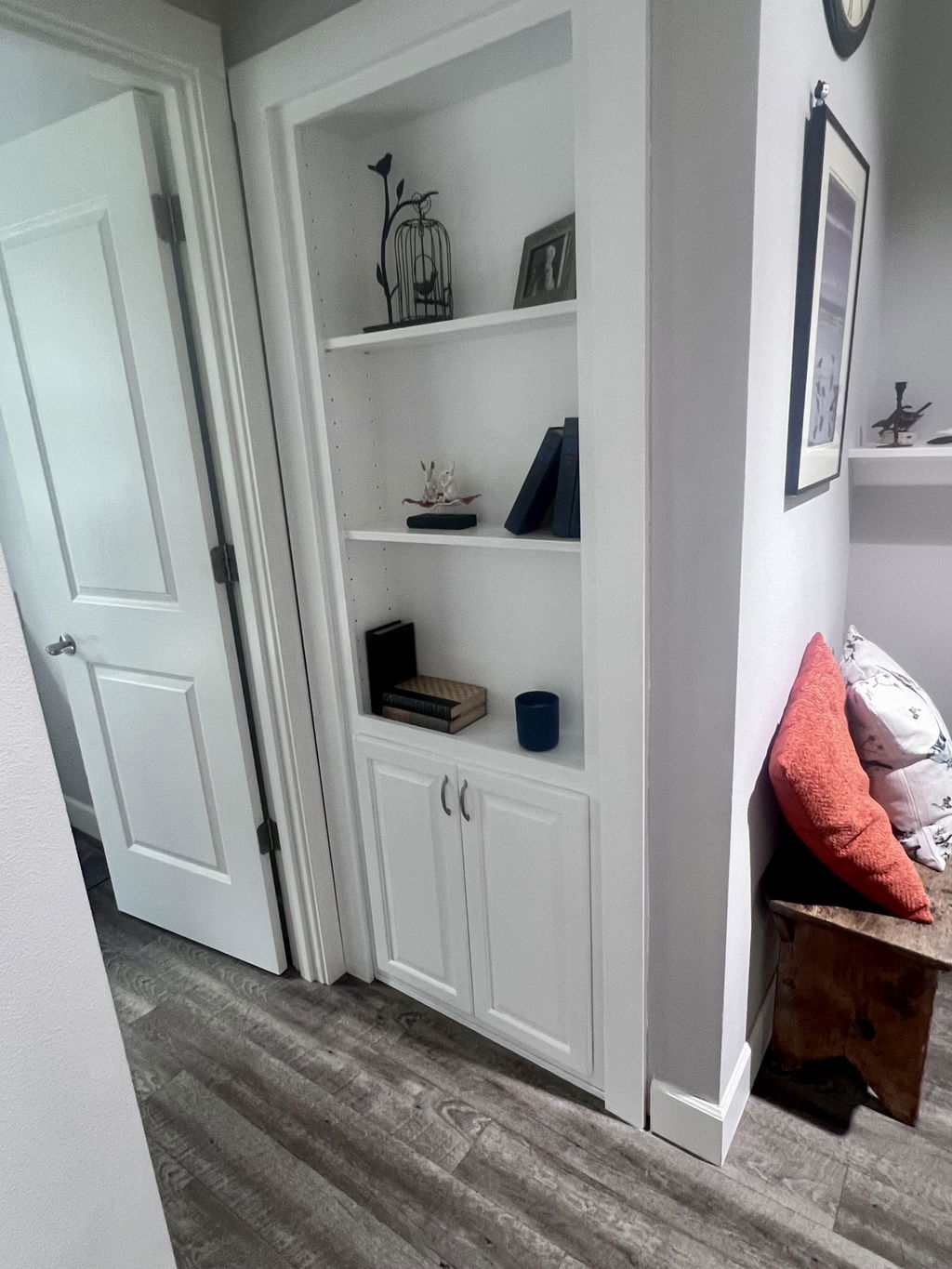
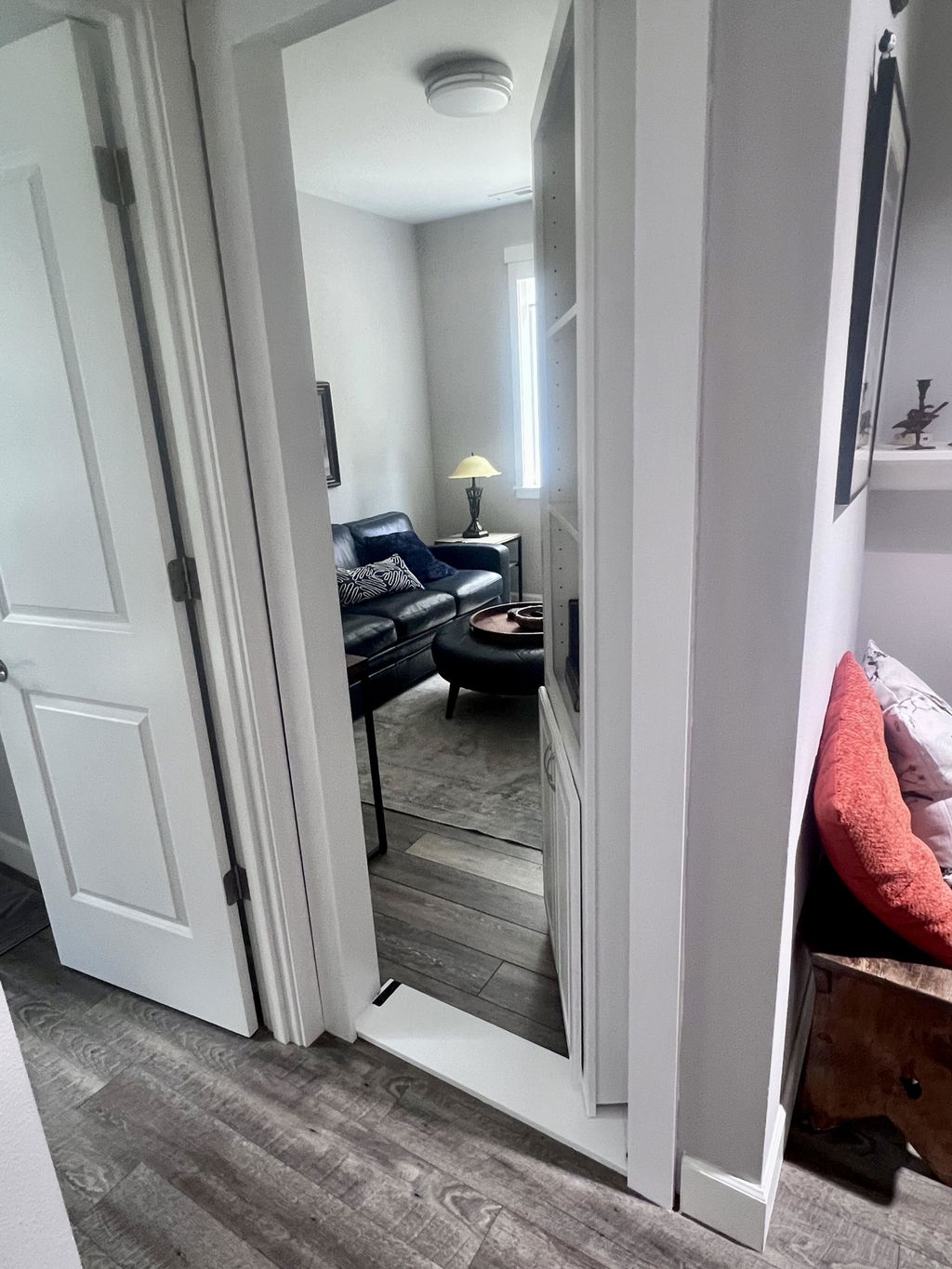
For those with larger collections or a desire for a library-style aesthetic, the Alpha Bookcase Portal is the gold standard. This system allows you to combine a massive library and a wine room entrance into one structural unit. The Alpha Door is specifically designed for these heavy applications, utilizing reinforced shelves that won't bow under the weight of books or bottles. You can customize the shelf heights to accommodate magnums and oversized bottles, ensuring that even your most unique vintages have a dedicated place. This design is particularly effective because a full bookcase is rarely suspected of being a door, providing the ultimate level of clandestine security.
Modern homes often require a sleeker approach. The Mirror Door offers a contemporary alternative, perfect for brightening a hallway or matching a modern bar's clean lines. For grander entrances, the Double Bookcase Door creates a stately portal into a walk-in tasting room, swinging wide to welcome guests into your private sanctuary. If space is at a premium, a Speakeasy Hutch provides smaller-scale concealment. This discrete storage option fits into tight corners or under staircases, proving that you don't need a massive footprint to enjoy the intrigue of a hidden wine cellar door. Each of these examples relies on the same rugged, dependable craftsmanship that defines our Tennessee-made products.
Planning Your Entrance: Logistics of Weight, Swing, and Concealment
Planning a hidden wine cellar door demands a shift from aesthetic dreaming to technical execution. While the visual "wow factor" is the goal, the success of the project hinges on the logistics of weight and movement. You aren't just installing a door; you're calibrating a piece of structural furniture that must move effortlessly while fully loaded. This requires a meticulous approach to the rough opening and the floor surface. If your floor isn't perfectly level, a heavy-duty door will eventually drag, revealing the secret and damaging the finish. Every measurement must be precise to ensure the seams remain tight enough to vanish into the surrounding millwork. You also need to plan for the trim. Strategic molding can mask the small gaps necessary for the door to pivot, ensuring the entrance looks like a permanent, non-moving part of the wall.
Beyond the technical specs, consider the social flow of your home. A secret entrance should enhance the experience of your home bar or library, not create a bottleneck. If you're ready to start your project, you can explore our professional-grade hidden door systems to find the right structural foundation for your space.
Choosing the Right Swing Direction
Deciding between an in-swing and an out-swing configuration is critical for both concealment and functionality. In-swing doors are generally preferred for secrecy because they allow the trim to sit deeper against the wall, making it easier to hide the pivot points. However, you must calculate the "dead space" required for the door to clear the interior of the cellar. A deep hidden wine cellar door, like our Wine Rack Door, needs a significant arc to swing freely. You must also ensure the door's path doesn't interfere with your cooling unit or racking. If your cellar is cramped, an out-swing Alpha Door might be the more practical choice to preserve every square inch of storage space.
Hardware and Locking Mechanisms
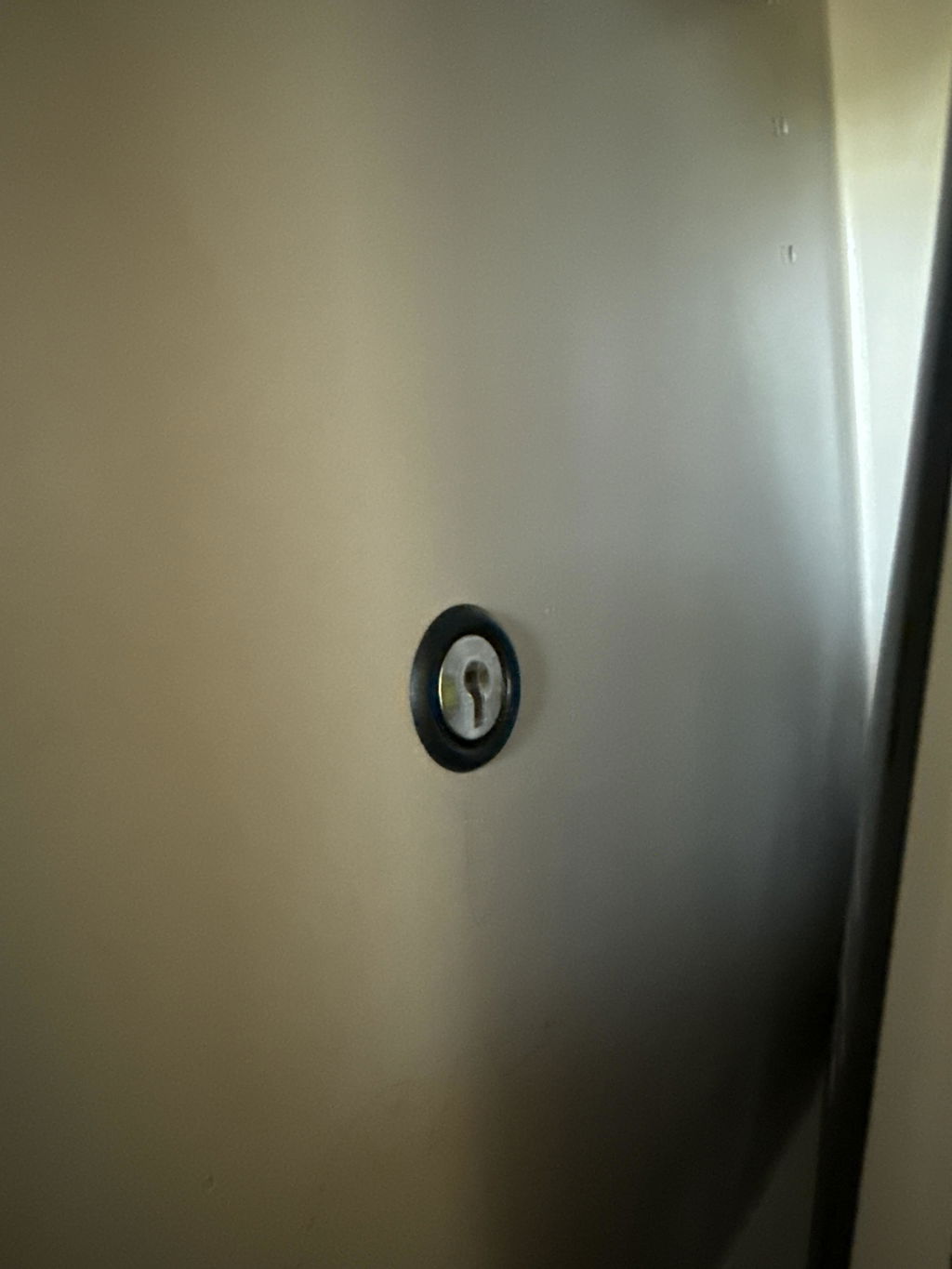
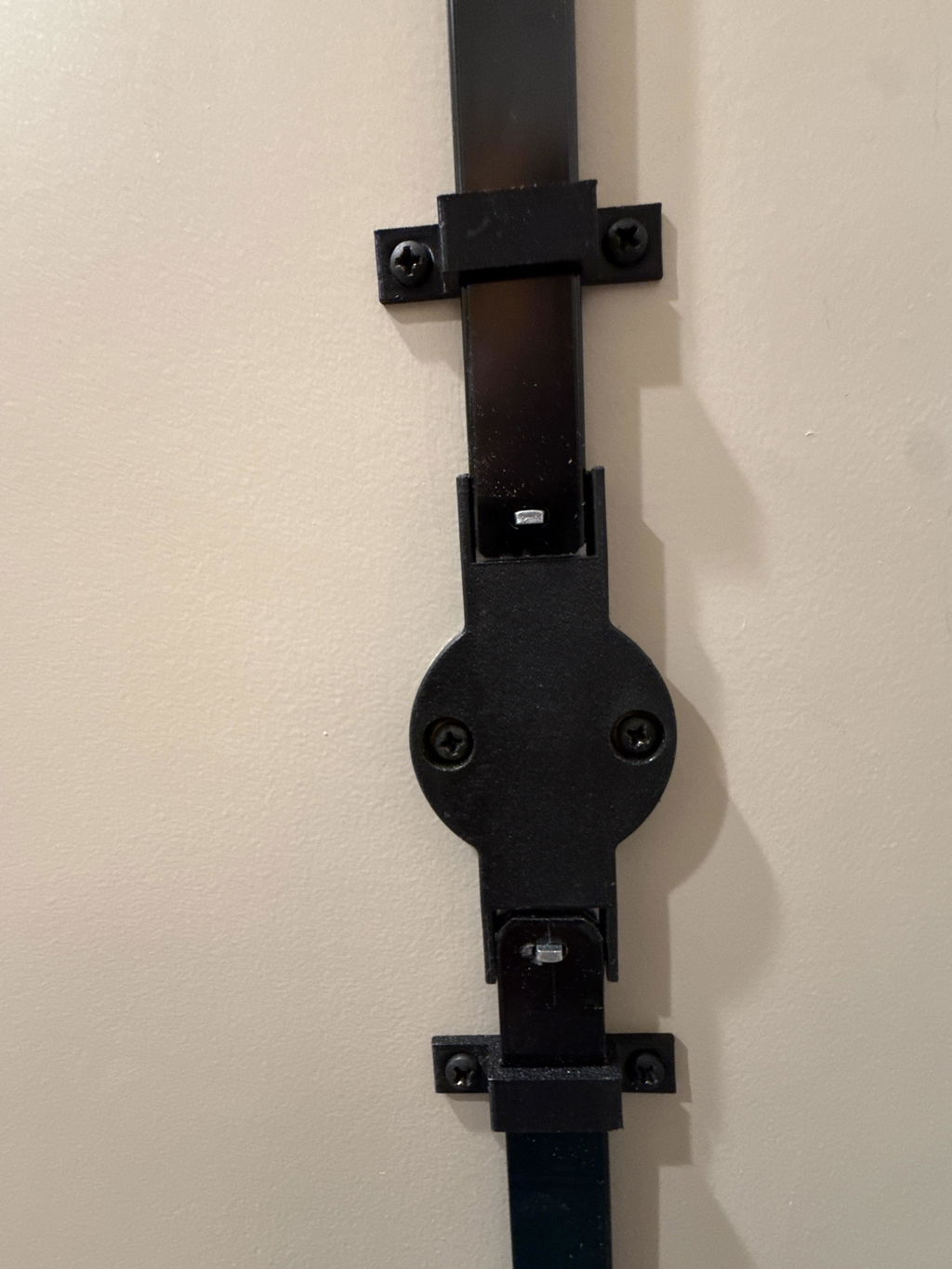
The hardware is the unsung hero of secret room engineering. To support a door that can easily exceed 500 pounds when fully stocked, we use industrial-grade steel pivots rather than traditional side-mounted hinges. These pivots distribute the weight into the floor and header, preventing the sagging common in DIY or MDF alternatives. For those seeking extra security, electromagnetic locks offer a modern solution that keeps the door firmly shut until a secret trigger is activated. A secret switch can be seamlessly integrated into a specific wine bottle or a vintage book on the shelf. Whether you choose a mechanical latch or a high-tech sensor, the goal is a lock that remains entirely invisible to the casual observer.
Handcrafted Excellence: Customizing Your Hide-A-Way Wine Entrance
The Hide-A-Way Doors difference begins in our Tennessee workshop. We aren't a middleman or a high-volume assembly line; we're a family-owned manufacturer dedicated to the art of concealment. This distinction is critical when you're investing in a hidden wine cellar door. While many online retailers ship flat-pack kits made from particle board, we rely on local artisans who understand the nuances of load-bearing millwork. Our doors are built to endure, combining the rugged reliability of American manufacturing with the sophisticated finish expected in luxury homes. We provide national shipping across the country and offer professional installation support to ensure your project transitions smoothly from our shop to your cellar wall.
Customization is where your vision truly takes shape. You can select from premium wood species like Alder, Oak, or Cherry to ensure a perfect match with your existing cellar decor. Alder offers a smooth, versatile surface for various stains, while Oak provides a classic, prominent grain that suggests permanence. Cherry is often the choice for high-end libraries due to its rich, darkening patina. We offer custom finish options ranging from rustic, hand-distressed stains to modern, sleek paint grades. This flexibility allows the door to disappear into its surroundings, whether you're aiming for a weathered vineyard aesthetic or a polished contemporary lounge.
Bespoke Engineering for Collectors
A serious wine collector has specific needs that a standard door can't meet. We provide bespoke engineering that allows you to customize internal shelving for your specific inventory. If your collection leans heavily toward magnums or oversized champagne bottles, we adjust the racking dimensions to accommodate those larger diameters. Beyond wine, we can integrate other specialized storage into your design. You can combine your cellar entrance with a Pool Cue Door for a billiards room or a Gun Cabinet Door for added security. Choosing real wood over MDF isn't just about weight; it's about the long-term investment value of your home. Real wood handles the minor shifts in humidity much better than composite materials, ensuring your secret remains safe for decades.
Next Steps for Your Cellar Project
Starting your custom build is a straightforward, professional process. You'll begin by consulting with our designers to finalize your wood species, swing direction, and finish requirements. We'll guide you through the measurement process to ensure the rough opening is prepared for the heavy-duty pivot system. This collaborative approach ensures that the final product isn't just a door, but a seamless piece of architectural furniture. Our team is ready to help you navigate the technical details of weight distribution and thermal sealing. Design your custom hidden wine cellar door today and take the first step toward a world-class home speakeasy.
Secure Your Vintage Legacy with a Masterpiece Portal
A private wine vault is more than a storage room. It's a sanctuary for your finest collections and a testament to your discerning taste. We've explored how a hidden wine cellar door must balance the immense weight of solid wood with the delicate requirements of thermal sealing. By prioritizing structural integrity and precise pivot engineering, you ensure that your clandestine entrance remains a seamless part of your home's architecture for decades. You don't have to sacrifice aesthetic beauty for functional security when you invest in professional-grade craftsmanship.
Every project we build features real wood construction with no MDF, ensuring your door never sags under the weight of your inventory. Our products are handcrafted in the USA and supported by a national installation network to bring your vision to life. Explore our handcrafted Wine Rack Doors and start your speakeasy project today. Your collection is ready for its secret home. We are honored to help you build a legacy that stands the test of time.
Frequently Asked Questions
Can a hidden wine cellar door be airtight for climate control?
A hidden wine cellar door can be made airtight with the right engineering and sealing components. We utilize magnetic gaskets along the door jamb to create a compression seal similar to a high-end refrigerator. This prevents air exchange and helps maintain a constant 55 degrees. Integrating rigid insulation into the back of the door further enhances this thermal barrier, ensuring your collection stays in a stable environment without straining your cooling unit.
How much weight can a secret wine rack door actually hold?
Our specialized doors are engineered to support substantial loads, often exceeding 500 pounds. This high capacity is necessary because a fully stocked Wine Rack Door carries the weight of the solid wood plus dozens of glass bottles. We rely on heavy-duty steel pivots rather than traditional side hinges to transfer this weight directly into the floor. This structural design prevents sagging and keeps the secret entrance operating smoothly for decades.
Does a hidden cellar door require a special door frame?
A secret entrance requires a specialized jamb and pivot system rather than a standard interior frame. The frame must be perfectly square and reinforced to handle the unique physics of a rotating bookcase or wine rack. Our systems come as a complete unit, including the pre-hung door and the structural header. This ensures the hidden wine cellar door remains perfectly aligned and undetectable within your wall.
What is the best wood species for a secret door in a humid cellar?
Alder and Oak are the most dependable choices for humid cellar environments. Alder is naturally resistant to significant warping and takes stains beautifully to match existing cabinetry. Oak provides a dense, rigid structure that maintains its shape even when humidity levels fluctuate. We avoid MDF or particle board because they absorb moisture and swell, which would eventually ruin the tight tolerances required for a secret door.
Can I install a hidden wine door in an existing doorway?
You can install a hidden door in an existing doorway provided the rough opening meets the necessary dimensions. Many homeowners replace standard pantry or basement doors with a Wine Rack Door to create a clandestine entrance. You'll need to verify that your floor is level and that you have enough clearance for the specific swing type. We offer various sizes and DIY kits to accommodate most standard residential openings.
How do you hide the hinges on a secret wine rack?
We hide the movement mechanism by using a pivot system instead of visible hinges. Traditional hinges are easily spotted, but a pivot is concealed in the top and bottom of the frame. This allows the hidden wine cellar door to rotate on a vertical axis. When combined with strategic molding and trim, the pivot points are completely invisible, making the door look like a permanent, stationary part of your wall.
Are hidden doors for wine cellars safe in an emergency?
Safety is a priority, so every secret entrance includes a way to exit from the inside. Even if the door features an electromagnetic lock, a mechanical bypass or internal latch ensures you are never trapped. These systems are designed to be intuitive and easy to operate in the dark. This ensures your home speakeasy remains a secure but safe environment for you and your guests during an emergency.
Do I need a professional to install a secret wine cellar door?
While a skilled homeowner can handle the installation using our DIY kits, professional installation is often recommended for the best results. The secret to a perfect reveal is precision. A professional ensures the floor is perfectly level and the trim is gapless, which is essential for total concealment. We have a national network of installers who understand the specific requirements of heavy-duty pivot systems and climate-controlled seals.