Remodeling Ideas You May Be Overlooking: Why a Hidden Door Is Worth Considering
When planning a remodel, most homeowners focus on the obvious upgrades—new cabinets, updated flooring, modern lighting, or a fresh coat of paint. These improvements are important, but they’re also expected. What often gets overlooked are the design elements that quietly elevate a space, improve functionality, and make a home feel truly custom.
One of the most underrated remodeling ideas? A hidden door.
Many homeowners assume hidden doors are only for safe rooms or secret spaces. In reality, they’re one of the most practical and visually clean design solutions you can add to a remodel—even if you have nothing to hide.
Why Hidden Doors Rarely Make the Remodeling List
Hidden doors don’t usually come up during early planning because they aren’t standard. Contractors and designers tend to suggest what’s familiar: swinging doors, pocket doors, barn doors. While those all serve a purpose, they still look like doors—and they take up visual and physical space.
Hidden doors require a different way of thinking. Instead of asking, “Where does the door go?” you ask, “How should this space function when the door isn’t in use?”
That shift in mindset is exactly why hidden doors are so effective.
A Cleaner Look Without Sacrificing Access
One of the biggest benefits of a hidden door is visual simplicity. Doors break up wall space, interrupt furniture layouts, and often dictate how a room must be arranged.
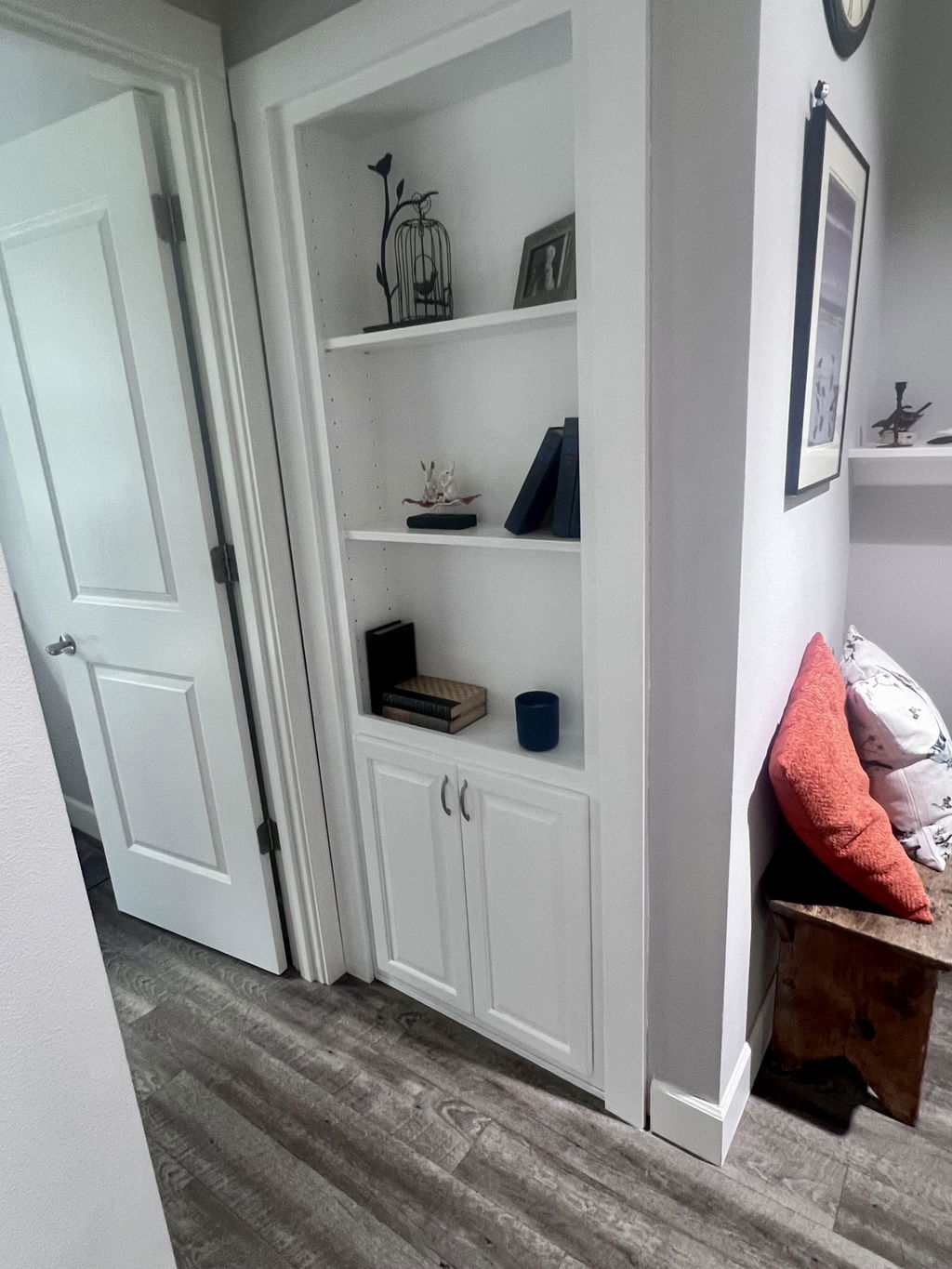
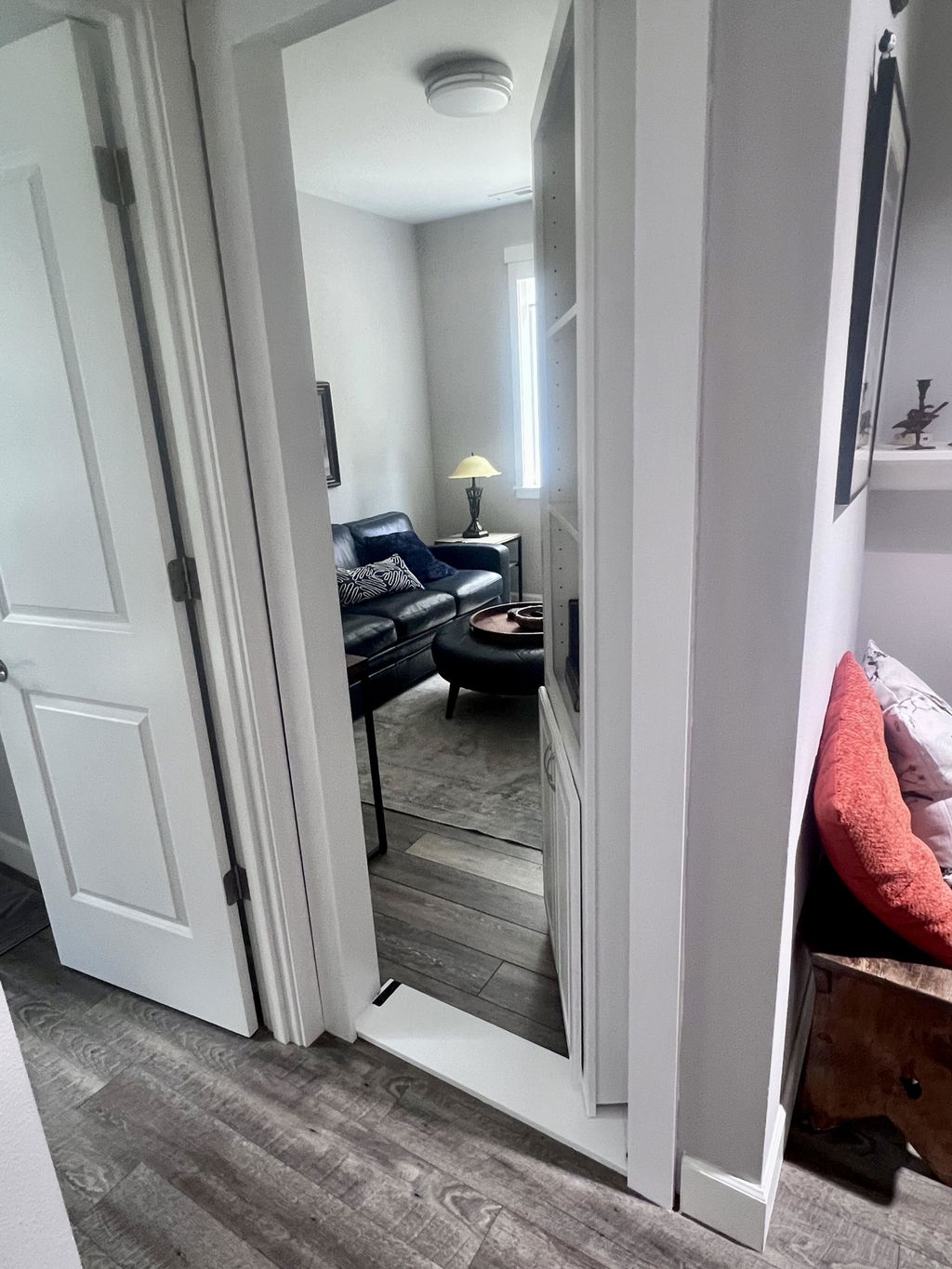
By concealing the doorway within a bookcase, cabinet, or wall feature, you maintain access without creating a visual focal point. The room feels larger, more intentional, and less cluttered.
This is especially valuable in:
-
Living rooms
-
Home offices
-
Bonus rooms
-
Basements
-
Hallways
Instead of designing around a door, the door becomes part of the design.
Functional Even Without a “Secret” Room
You don’t need a panic room, gun room, or vault to justify a hidden door.
Many homeowners use them simply to:
-
Hide a stairwell
-
Disguise a basement entrance
-
Separate a workspace from a living area
-
Conceal a utility room or storage area
-
Add shelving where a standard door would waste space
In these cases, the hidden door isn’t about secrecy—it’s about efficiency and aesthetics.
Better Use of Wall Space
Traditional doors don’t offer anything when they’re closed. A hidden bookcase door, on the other hand, gives you usable storage every day.
During a remodel, wall space is valuable. Built-in shelving or cabinetry that also serves as a door allows you to:
-
Add storage without expanding the footprint
-
Eliminate freestanding furniture
-
Create a built-in look that feels high-end
It’s a smart way to get more from the same square footage.
A Subtle “Wow Factor”
Most remodels aim to impress, but not all of them succeed in being memorable. A hidden door creates a moment—something guests don’t expect but immediately appreciate once they notice it.
It’s not flashy or gimmicky. It’s thoughtful design.
That kind of detail often becomes one of the most talked-about features of the home, even though it blends in perfectly.
When to Plan for a Hidden Door
Hidden doors work best when they’re planned early in the remodeling process, especially if framing, drywall, or built-ins are involved. However, they can also be added to existing openings with the right design and construction.
If you’re already remodeling:
-
A room layout
-
A basement
-
An office
-
A shared living space
…it’s worth at least considering whether a traditional door is the best solution—or just the most familiar one.
Rethinking the “Standard” Remodel
Great remodels aren’t just about updated finishes. They’re about smarter use of space, cleaner design, and long-term functionality.
A hidden door isn’t something most homeowners think about—but once they do, it’s hard to unsee the possibilities.
Even if you don’t have anything to hide, you might still have a lot to gain.
Explore Our Hidden Door Collections