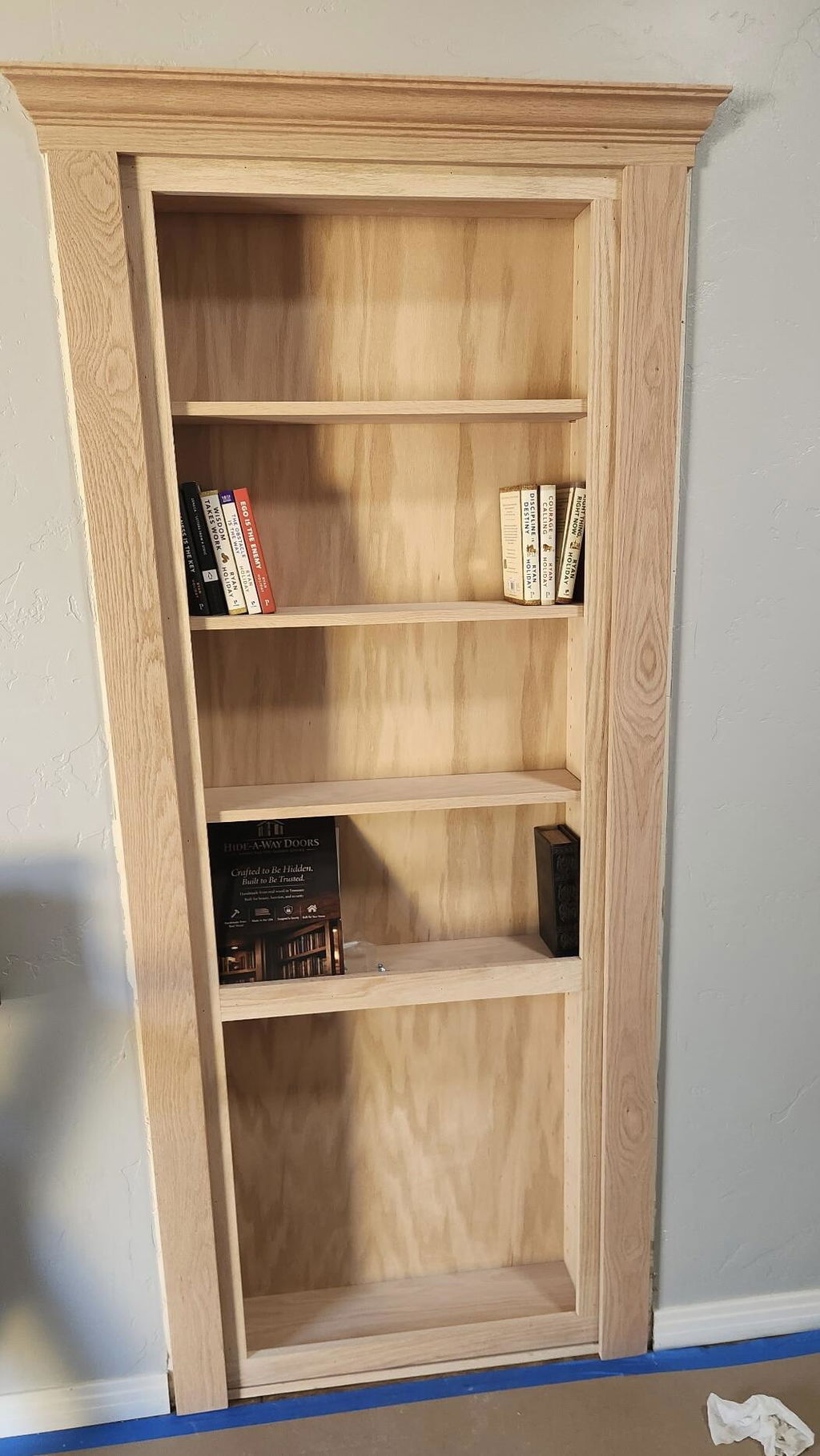
The Art of Invisibility: Designing a Secret Room Behind a Mirror
What if the most striking design element in your master suite wasn't a decoration, but a functional gateway? Creating a secret room behind a mirror is the ultimate exercise in the art of invisibility, yet many attempts fail because of sagging hinges or visible gaps that give the game away. You likely recognize that a standard interior door won't provide the level of concealment you need, and you're right to worry about flimsy MDF products that feel cheap or unreliable. A true hidden retreat requires more than just a disguise; it demands a precision-engineered furniture piece that eliminates the visual footprint of the doorway.
We understand that a secret space is only effective if it remains completely undetected. You'll discover how a high-end Mirror Door blends master suite aesthetics with the heavy-duty hardware required for professional-grade safe rooms. We'll show you how to achieve a seamless, flush-mount finish that operates with a smooth, quiet confidence. From structural requirements to the artisan techniques that ensure longevity, this guide provides the clarity you need to turn a sophisticated vision into a secure, private reality.
Key Takeaways
Learn the psychological principles behind mirrored concealment and why the human eye naturally overlooks these functional gateways.
Identify the critical engineering differences between standard hardware and the heavy-duty pivot hinges required for solid wood mirror doors.
Discover how to integrate a secret room behind a mirror into your master suite using Tennessee-grown hardwoods that match your existing high-end cabinetry.
Explore advanced security upgrades, including biometric and RFID locking systems, to transform a private retreat into a professional-grade safe room.
Understand why structural integrity depends on handcrafted materials and why Medium Density Fiberboard (MDF) is unsuitable for heavy-load concealment systems.
The concept of a secret room behind a mirror is rooted in the strategic use of light and perspective. While a standard door acts as a clear indicator of a home’s layout, a mirrored entryway disrupts that map by reflecting the existing environment. It's a sophisticated architectural solution that utilizes a full-length mirror as a structural door, pivoting on specialized hardware to reveal a hidden space. The psychology of reflection plays a vital role here. The human eye is naturally drawn to the depth of the image within the mirror rather than the frame itself. This causes the brain to perceive a solid, decorative wall where a functional portal actually exists. Historically, the use of a secret passage has always relied on such clever misdirection, and modern craftsmanship has refined this into a high-end design staple.
There is a significant technical difference between a mirror you hang on a wall and a structural mirror door. A decorative "hanging" mirror is typically lightweight and lacks the rigidity needed for frequent movement. In contrast, a professional-grade system is a load-bearing furniture piece. It must support the weight of thick, high-quality glass and a solid wood frame without sagging or losing alignment. These systems are engineered to function as a mirror that opens to a room, ensuring the entire unit moves as one balanced assembly with quiet, effortless precision.
Concealment vs. Decoration
A standard mirror frame often fails as a concealment device because it sits on top of the wall, creating a visible profile that betrays the space behind it. True invisibility requires a flush-mount design where the frame is integrated directly into the surrounding architecture. A critical element in this process is managing the "shadow gap," which is the sliver of darkness between a door and its casing. Professional artisans use precision machining to keep these tolerances tight, allowing the frame to disappear into the drywall. This ensures the secret room behind a mirror remains a total mystery to the uninitiated eye.
The "Wow Factor" of Hidden Entryways
Mirrors offer a distinct advantage over traditional bookcase doors, particularly in narrow corridors or smaller master suites. While a bookcase requires significant depth and can feel bulky in tight quarters, a mirror adds a sense of light and perceived square footage. It serves a dual purpose: a functional full-length vanity for daily use and a high-security portal for emergencies. This seamless transition is ideal for homeowners who want to secure a walk-in closet or create a private retreat without altering the home's aesthetic flow or sacrificing valuable floor space.
The Engineering of a Pivoting Mirror Door
Engineering a secret room behind a mirror requires more than a simple set of hinges. It involves a sophisticated understanding of load-bearing physics and structural balance. A standard full-length mirror attached to a solid hardwood frame can weigh well over 100 pounds. If you use traditional side-mounted hinges, that weight creates immense leverage, eventually causing the door to sag and scrape the floor. This failure not only damages your flooring but also creates uneven gaps that immediately signal the presence of a hidden entryway. Professional systems utilize a vertical axis of rotation, placing the weight directly over a heavy-duty bottom pivot point to ensure long-term structural integrity.
Why Pivot Hinges Matter
Pivot hinges are the silent workhorses of home concealment. By moving the rotation point away from the frame's edge, these hinges allow for a zero-clearance opening. This means the door can swing open without hitting the surrounding casing or wall. High-end designs often incorporate a steel reinforcement spine within the wood frame to prevent warping over time. You can see these principles in action in many premium installations, which highlight how clean lines and hidden hardware define modern luxury.
Choosing between an inswing or outswing configuration is a critical design decision for your secret room behind a mirror. An inswing door is generally easier to hide because the door stops against the back of the trim, naturally masking any light leaks or shadow lines. For those seeking absolute invisibility, magnetic latching systems are often preferred over mechanical ones. Since there's no visible handle or latch bolt, the mirror remains perfectly flush. A simple push-to-release mechanism or a hidden magnetic key ensures that the operation feels effortless and completely undetected by guests.
Flush-Mount vs. Surface-Mount Design
A truly seamless look is achieved through a flush-mount installation. This requires a precise rough opening where the mirror frame sits perfectly level with the drywall. While surface-mount doors are easier to install, they often leave a slight protrusion that mimics a standard hanging mirror. For a professional result, craftsmen use custom molding to bridge the gap between the door and the wall, effectively turning the functional seam into a decorative shadow line. This level of precision is much easier to maintain when you invest in a Hide-A-Way Doors Mirror Door built from authentic hardwoods rather than flimsy substitutes. This ensures the hardware remains perfectly aligned for decades of smooth, quiet use.
Designing Your Master Suite for Concealment
Integrating a hidden mirror door into a walk-in closet or dressing area is a masterclass in space optimization. It's not just about hiding a room; it's about making the doorway disappear into the existing architecture of the suite. When done correctly, the mirror serves as a vital part of your morning routine while masking the entrance to a secret room behind a mirror. The visual authenticity of the unit depends heavily on the frame width. A frame that is too thin looks like a standard door casing, while one that is too wide can appear over-decorated. Professional designs strike a balance, mirroring the proportions of high-end furniture rather than construction-grade trim. This ensures the eye processes the object as a luxury mirror rather than a functional portal.
Selecting the Right Wood Finish
A common mistake in home concealment is ignoring the room’s existing DNA. To achieve a truly invisible transition, the door frame must match the cabinetry in your dressing area or master bath. Whether you prefer the deep grains of Walnut, the classic warmth of Cherry, or the rugged durability of Oak, using the same wood species ensures the mirror looks like a permanent fixture. We focus on stain-grade and paint-grade options that utilize real, solid hardwoods. Unlike MDF, which absorbs moisture and swells over time, real wood provides a furniture-grade finish that ages gracefully. This level of craftsmanship is essential for maintaining the illusion of a solid wall and ensuring the frame holds its shape for decades.
Strategic Placement for Maximum Stealth
Where you place the mirror is just as important as how it's built. Positioning a mirror at the end of a long hallway is a classic design trick that "extends" the space, making the corridor feel twice as long while providing a perfect spot for a secret room behind a mirror. You can also use the "dead space" rule. Look for areas in your floor plan that are naturally underutilized, such as the space behind a walk-in closet or a corner of the master suite that doesn't align with the exterior walls. To further distract the eye, place flanking furniture like a small bench or a tall plant near the mirror's edges. This breaks up the outline of the frame and makes the seams nearly impossible to spot, even under direct scrutiny.
Lighting plays a dual role in both concealment and vanity utility. Soft, recessed lighting above the mirror enhances its function as a dressing aid while casting subtle shadows that help hide the tiny gaps required for the door to swing. It's best to avoid harsh side-lighting that might highlight the door's perimeter. By carefully controlling the light and shadow in your suite, you reinforce the mirror's identity as a decorative object, making the discovery of the space behind it a genuine "wow" moment for those you choose to invite inside.
Security Applications: Safe Rooms and Panic Rooms
Transitioning a master suite from a private retreat into a high-security fortress requires a shift in engineering priorities. While aesthetics remain paramount, the structural integrity of the entrance becomes the primary concern. A secret room behind a mirror serves as an exceptional decoy because it capitalizes on psychological misdirection. Most intruders search for traditional safes or reinforced steel doors, rarely suspecting that a functional dressing mirror is actually a portal to a secure zone. According to data from April 2024, the average cost to build a secret room is approximately $25,400, with high-end safe rooms reaching up to $50,000. This investment covers the specialized hardware and reinforcement necessary to meet modern safety expectations.
Concealing the Lock
A secure door is only as effective as its locking mechanism, yet a visible keypad or handle would immediately betray the secret. We utilize the "hidden in plain sight" philosophy by employing electronic strikes and magnetic latches that leave the mirror’s exterior completely pristine. You can choose from several sophisticated options:
RFID Locks: These allow you to open the door by waving a programmed card or key fob over a specific, unmarked spot on the frame.
Magnetic Pins: A low-tech, highly reliable solution where a decorative object with a hidden magnet acts as the key.
Biometric Scanners: These can be tucked away in adjacent cabinetry or integrated into the frame's edge for thumbprint access.
It's vital to include a manual override within the safe room. In the event of a power failure or smart home system glitch, a mechanical release ensures you aren't trapped inside your own retreat.
Safe Room Ventilation and Communication
Maintaining air quality is a critical challenge when designing a secret room behind a mirror intended for long-term occupancy. For rooms built to provide protection during extreme events, adhering to FEMA P-361 and ICC-500 standards is essential. These regulations dictate specific requirements for ventilation and debris impact resistance. We recommend integrating discreet air vents into the decorative molding of the mirror frame to ensure constant airflow without creating a visual "tell." Additionally, modern safe rooms often feature security camera monitors mounted behind two-way mirror glass. This allows you to see out into the master suite while remaining completely invisible to anyone on the other side. If you're ready to secure your home with a professional-grade solution, explore our handcrafted Mirror Door options.
For those requiring the highest level of protection, ballistic panels can be integrated into the door’s solid wood spine. While this significantly increases the weight of the unit, our heavy-duty pivot hardware is designed to manage the load of both the armor and the glass without compromising the smooth, quiet operation of the door. This turns a simple architectural feature into a life-saving secondary exit strategy, providing peace of mind through rugged, dependable craftsmanship.
The Hide-A-Way Difference: Real Wood vs. MDF
Building a secret room behind a mirror is a long-term architectural investment that relies entirely on the quality of the materials used. While many mass-market manufacturers opt for Medium Density Fiberboard (MDF) to reduce costs, this material is the primary enemy of heavy concealment systems. MDF is essentially compressed sawdust and resin; it lacks the natural grain structure required to grip heavy-duty hardware under constant tension. When you hang a 100-pound mirror on an MDF frame, the screws will inevitably begin to pull through the soft material. This leads to the dreaded "hinge sag" that betrays your secret and ruins the flush-mount alignment of your master suite.
Structural Integrity of Solid Wood
Solid hardwoods like Oak, Cherry, and Walnut offer superior screw-holding power because their dense cellular structures lock onto the threads of the hardware. In the climate-controlled environment of a master suite, wood remains stable and resists the warping that often plagues composite materials. Furniture-grade wood is the only viable material for 100lb+ mirror systems. By utilizing Tennessee-grown hardwoods, we ensure that every unit maintains its shape and precision for decades. This structural rigidity is what allows our designs to carry the weight of both the mirror and any additional security reinforcements without losing their quiet, effortless glide.
Handcrafted Heritage
The stealth of a hidden entryway depends on precision milling and tight tolerances. Our craftsmen work within 1/8-inch margins to ensure the shadow gaps are consistent and virtually invisible to the naked eye. This level of detail is only possible through traditional woodworking techniques and a deep understanding of how wood behaves over time. We apply the same elite engineering found in our Alpha concealment door to our mirrored systems, treating each project as a bespoke furniture piece rather than a standard interior door.
Customization is the final pillar of effective concealment. A "one size fits all" approach rarely works in high-end homes because rough openings and wall depths vary significantly. A secret room behind a mirror must be tailored to the specific dimensions of your space to ensure the frame sits perfectly flush against the drywall. By choosing American-made, handcrafted quality, you aren't just buying a door; you're securing a legacy of innovation and durable craftsmanship that protects your home and your privacy. This commitment to substance over fleeting trends is what defines the Hide-A-Way difference in 2026 and beyond.
Secure Your Private Retreat with Artisan Precision
Designing a secret room behind a mirror is a sophisticated way to add both luxury and security to your home. True invisibility relies on the intersection of master craftsmanship and heavy-duty engineering. By choosing solid hardwoods over failing MDF and utilizing precision pivot hinges, you ensure your hidden retreat remains a private sanctuary for decades. Our dedicated artisans specialize in creating these functional works of art, applying traditional skills and ensuring enduring quality. Every unit is handcrafted from real wood, and we never use particle board or flimsy substitutes. With our national network of professional installers, you can bring this vision to life with complete confidence in the final result.
You hide a door by replacing the standard entryway with a structural mirror system that sits flush against the wall and utilizes specialized pivot hardware. This transformation creates a secret room behind a mirror by replacing the visual cue of a door with a functional vanity piece. The illusion is maintained through precision-milled trim that masks the seams, ensuring the eye sees a decorative object rather than a portal.
Can a secret mirror door be locked from the inside?
Yes, these doors are designed with interior safety in mind and can be locked from the inside using manual or electronic latches. For safe room applications, we recommend a mechanical override to ensure you have a reliable exit regardless of power status. These locks remain completely invisible from the exterior to maintain total concealment and prevent tampering.
Is a mirror door heavy to open?
A professionally engineered mirror door feels surprisingly light to open despite its substantial weight. Because the unit rotates on a vertical axis over a heavy-duty bottom pivot, the load is distributed directly into the floor. This eliminates the friction and resistance common in traditional side-mounted hinges, providing a smooth, quiet glide every time you enter your private space.
Can I install a secret mirror door in an existing doorway?
You can install a secret mirror door in most existing doorways, provided the rough opening is square and the structural framing can support the unit's weight. While these units are designed to fit standard openings, custom sizes are often required to achieve a perfect flush-mount look. It's best to verify your wall depth and header support before beginning the installation process.
Do secret mirror doors come with the glass included?
Every Mirror Door we build comes with the high-quality glass already secured within the handcrafted wood frame. We ship these as complete, pre-assembled units to ensure the glass is perfectly balanced and aligned with the hardware. This allows for a more straightforward installation process once the unit arrives at your home, as the mirror is already integrated into the furniture-grade assembly.
What happens if the mirror breaks on a secret door?
If the mirror glass is damaged, it can be replaced within the existing hardwood frame by a glass professional. Our frames are built from solid Tennessee hardwoods, which provide the structural rigidity needed to hold new glass without compromising the door’s alignment. We utilize safety-backed mirrors to minimize risk and ensure the unit remains durable even under heavy daily use.
How do you prevent people from seeing the gap around the mirror?
Eliminating visible gaps requires a combination of precision milling and strategic shadow lines. We maintain tolerances as tight as 1/8 of an inch, which is the same standard used in high-end cabinetry. When the door is closed, the tiny gap is perceived as a natural architectural detail rather than a functional seam for a secret room behind a mirror.
Are these doors suitable for high-humidity areas like bathrooms?
These doors are well-suited for master suites and dressing areas, but they require a stable environment to maintain the wood’s integrity. While solid wood is much more resistant to moisture than MDF, you should ensure your bathroom has adequate ventilation to prevent the frame from swelling. Maintaining a consistent climate is key to ensuring the door operates smoothly for decades.