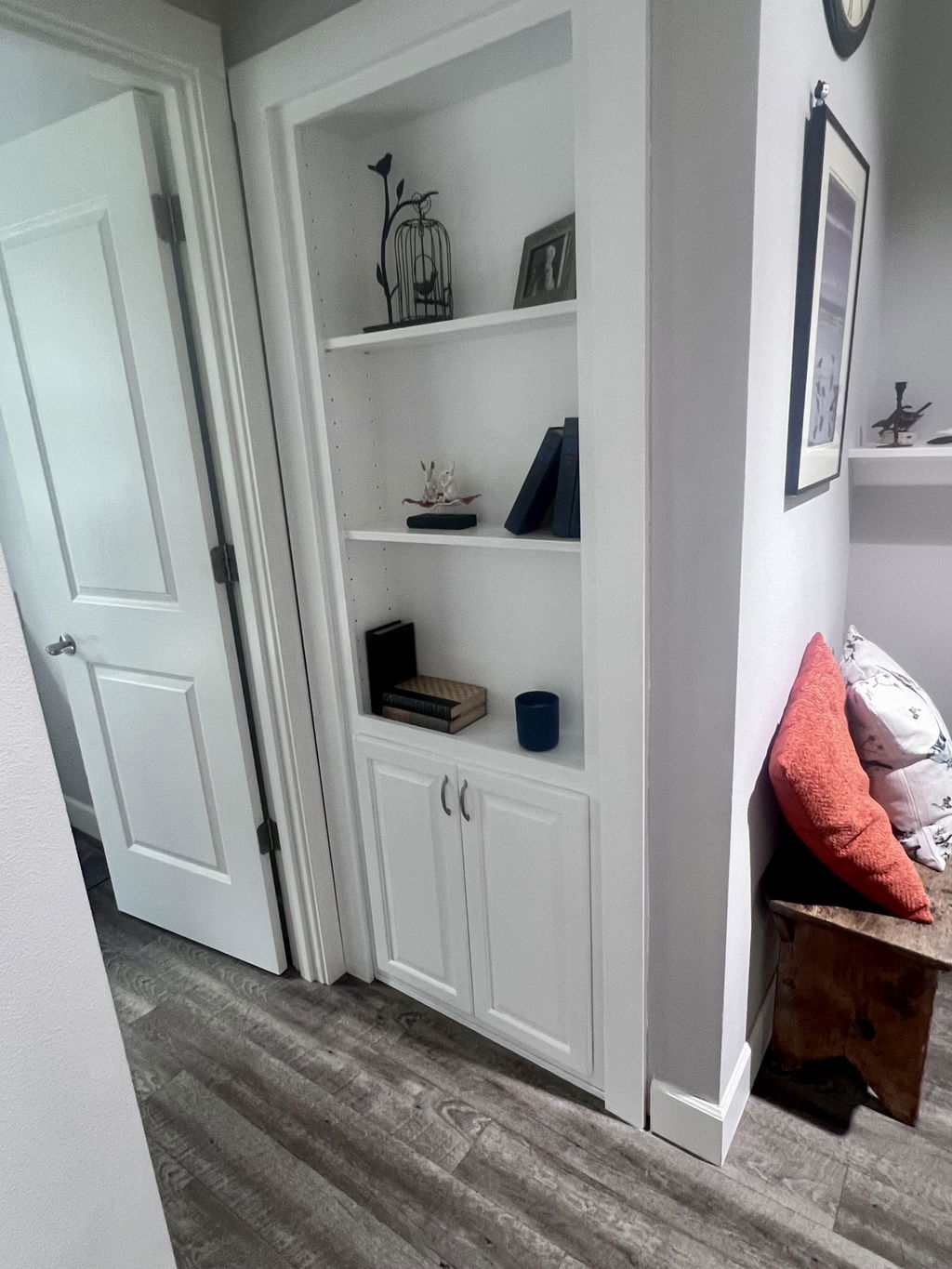
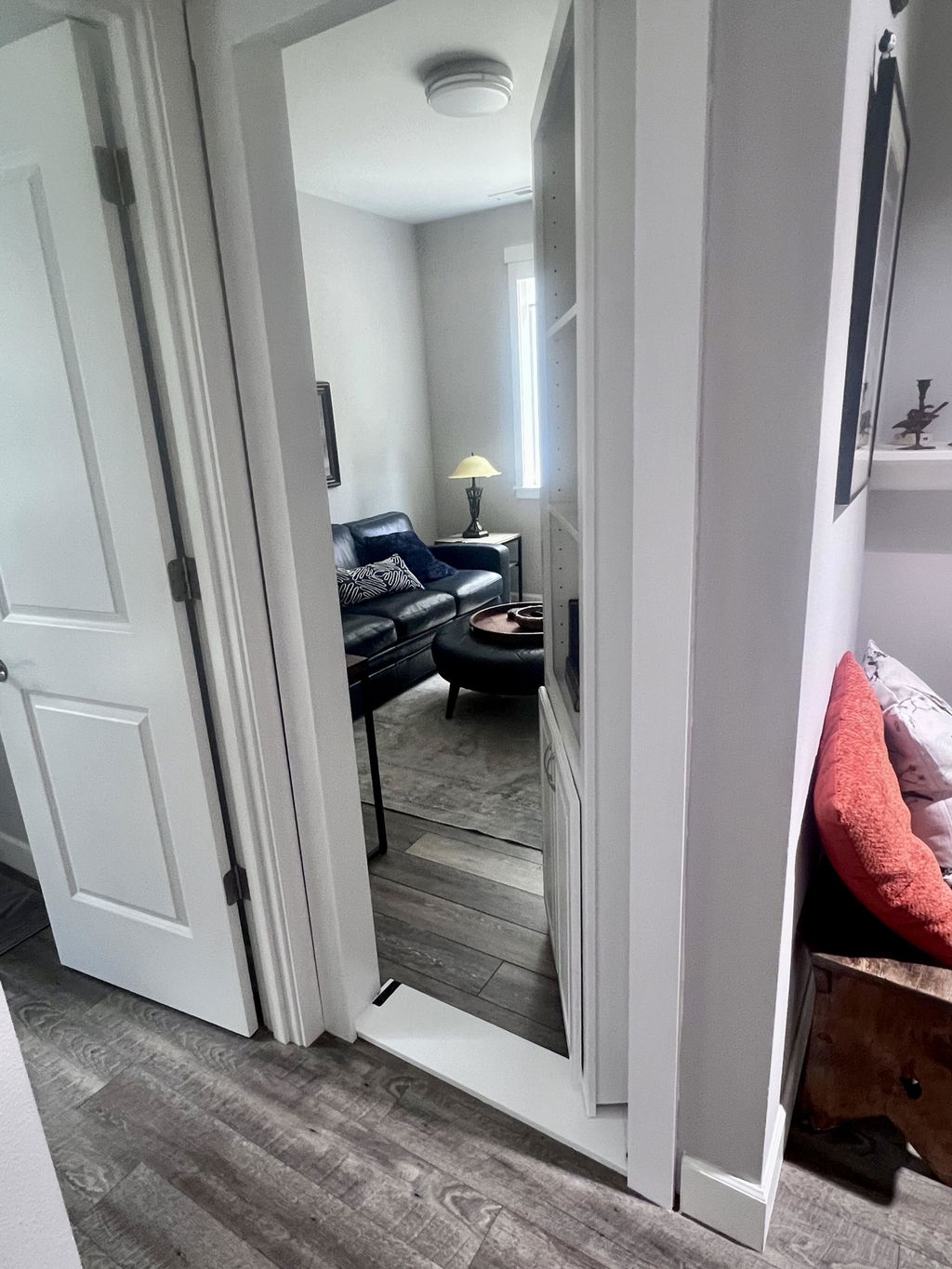
Hidden doors can be one of the most striking and functional features in a home—but only when they’re planned correctly. As hidden doors have grown in popularity, so have mistakes caused by poor placement, incorrect materials, and rushed decisions.
Before you invest in a hidden door, here are the most important steps to consider to ensure it functions properly, lasts for decades, and looks exactly the way you expect.
1. Consider Interior Traffic Flow First
While properly engineered hidden door hardware is designed to handle regular use, interior traffic flow still plays an important role in how a hidden door functions in daily life.
Ask yourself:
• Will the door swing into a natural walking path? • Will furniture limit access to the door? • Will the door be used multiple times per day or only occasionally? • Does the door location allow for smooth, natural operation?
Hidden doors perform best in areas where they can open freely and naturally without being rushed, blocked, or awkward to access.
2. Choose the Right Material for the Environment
Material selection matters—especially in environments where temperature and humidity fluctuate, such as basements and bathrooms.
Why real wood performs better in these spaces:
• Better resistance to moisture absorption • Less risk of swelling or delamination • Stronger long-term fastener and hardware holding
MDF-based products may look fine initially but can deteriorate over time in damp conditions. For moisture-prone areas, solid wood construction is the superior long-term choice.
Some locations are simply not ideal—or safe—for hidden door installations.
Avoid installing hidden doors:
• At the top of staircases or landings • On exterior walls exposed to temperature swings and moisture • In locations that require emergency egress • Where handrails or guards are required by code • In tight spaces with limited clearance
Hidden doors should never compromise safety, structural integrity, or code compliance.
Before finalizing your hidden door design, consult with a local contractor or building official to ensure your planned installation meets all applicable codes.
5. Areas That Are Perfect for Hidden Door Installation
When properly planned, hidden doors integrate beautifully into many spaces throughout the home.
Ideal locations include:
• Kitchen pantries • Bedroom closets • Master bathrooms • Home offices • Recreation and game rooms • Storage rooms • Safe rooms or secure spaces
These areas typically offer controlled access, adequate clearance, and the opportunity to blend function with design.
6. Finishing Matters—And Factory Finishing Makes the Difference
One of the most overlooked decisions is how a hidden door is finished. While some customers consider finishing the door after delivery, factory finishing offers significant advantages.
Having your door finished in our shop ensures:
• Even, consistent coverage on all surfaces • Proper sealing before installation • Controlled curing conditions • A finish that complements the door’s construction and hardware
Factory finishing eliminates variables that can impact appearance and longevity.
7. Mirror Doors Should Always Be Factory Finished
Mirror doors require even more precision when it comes to finishing.
Because the trim is painted or stained before the mirror is installed:
• Finishing after delivery can leave reflections of unfinished wood • Touch-ups around the mirror are extremely difficult • Inconsistent finishes are far more noticeable
For this reason, mirror doors are best finished in our factory prior to final assembly, ensuring a clean, seamless appearance.
9. Security & Specialty Doors: Plan the Purpose Up Front
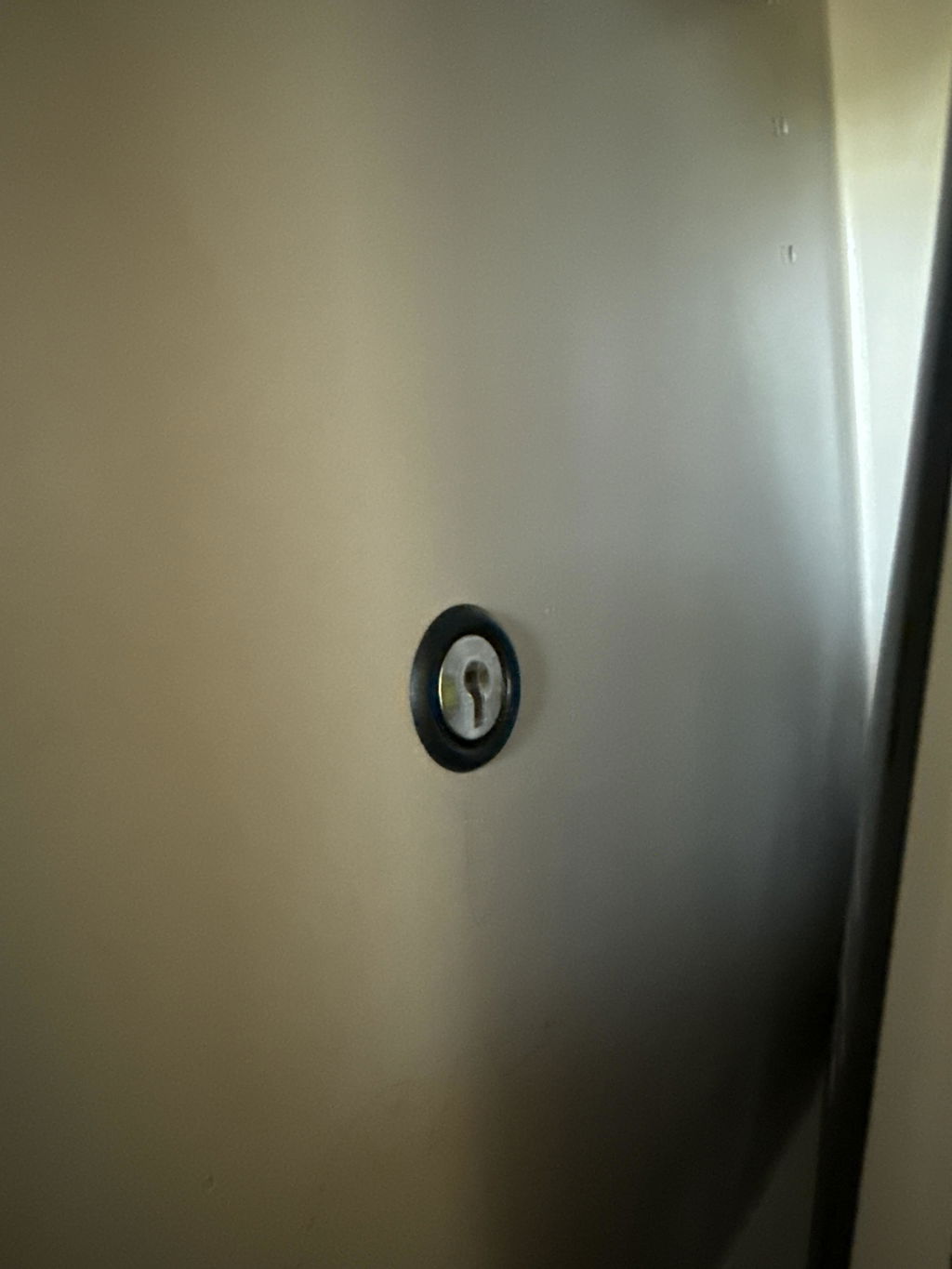
If your hidden door is intended for a safe room, concealed room, or higher-security application, the most important step is simply planning the purpose of the opening before you order.
Things to consider early:
• What the door is protecting (storage room, safe room, office, etc.) • How you want access to work (standard access vs. concealed/controlled access) • Which style best fits the space (flush concealment vs. a functional bookcase or mirror door) • Clearances and swing direction so the door operates smoothly
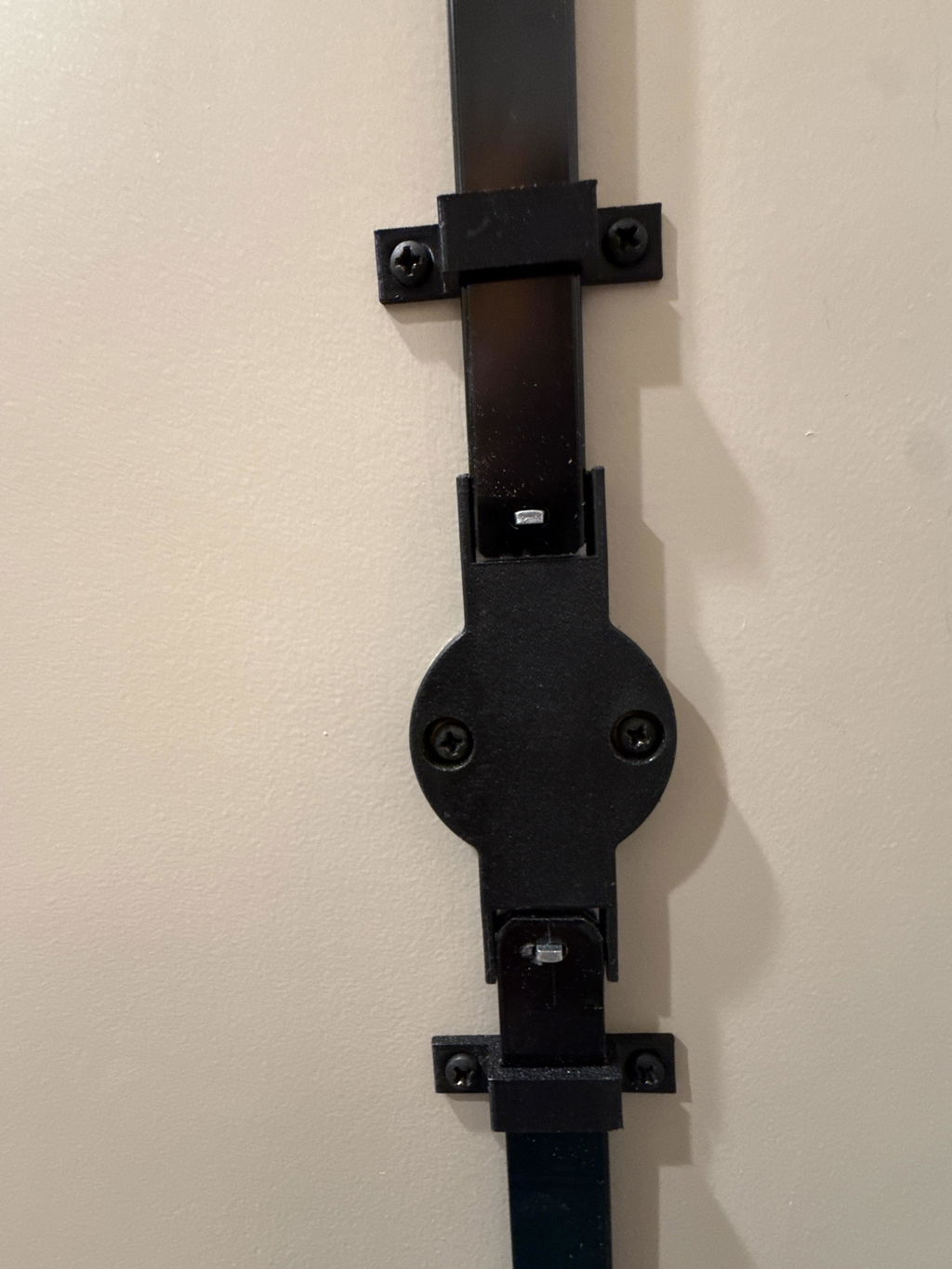
Our specialty doors are designed as complete systems—the proper hardware is included with the door, and the build is engineered to do what it’s made for without requiring you to source additional hinge kits or custom reinforcement packages.
A hidden door should be planned with the same care as any permanent architectural feature. Thoughtful placement, correct materials, factory finishing, and proper planning ensure your hidden door performs as beautifully as it looks—for decades.
If you’re unsure where to start, asking the right questions early can prevent costly mistakes later.
Hide-A-Way Doors Hidden door systems | Posted on December 20 2025