🏆 Before You Buy a Hidden Door: A First-Time Buyer’s Guide
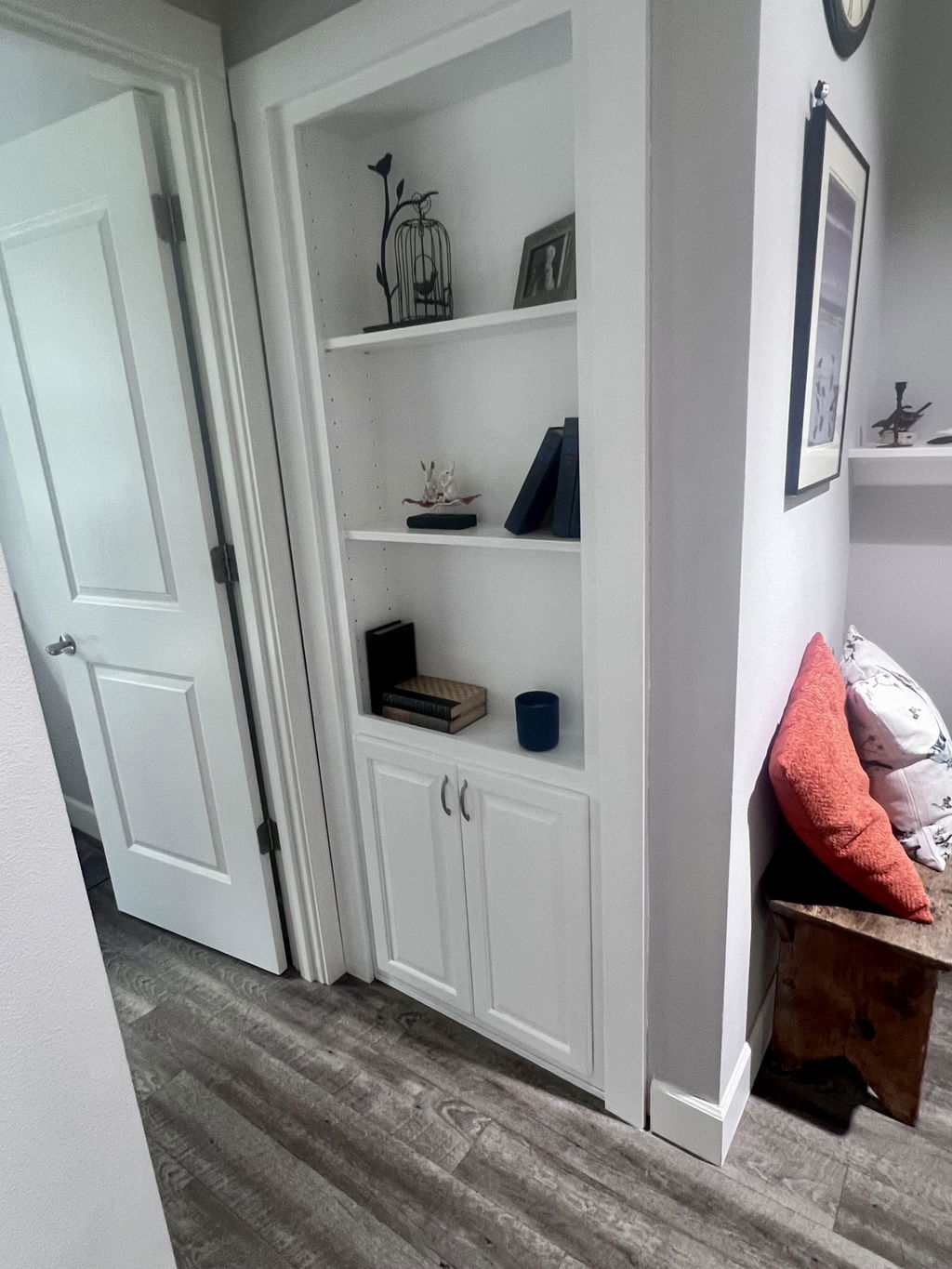
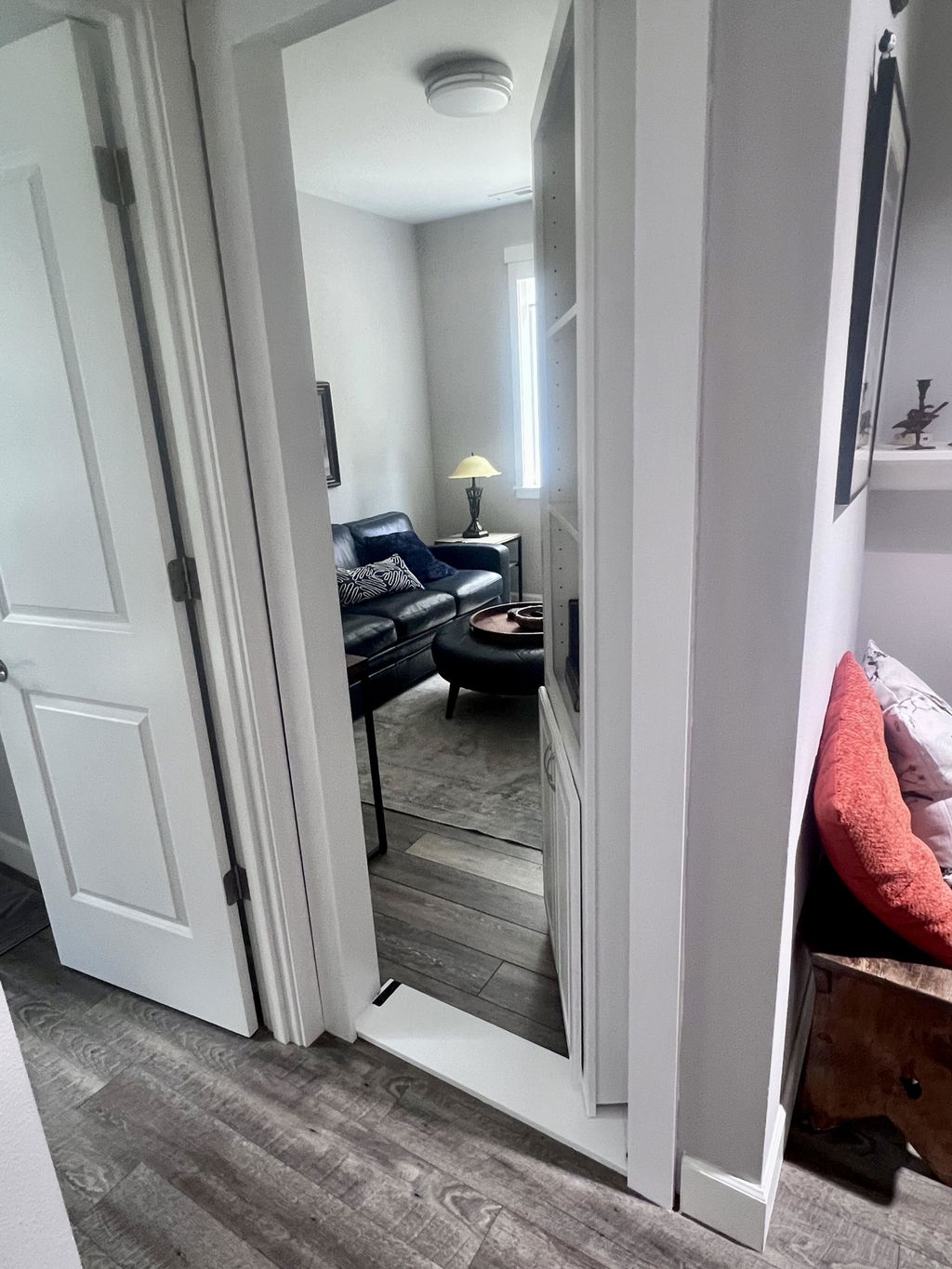
Hidden doors are quickly becoming one of the most sought-after design features in modern homes. Whether it’s a concealed bookcase, a hidden pantry, or a secret room, these installations offer a unique blend of function, craftsmanship, and intrigue.
Yet, while hidden doors might look simple on the surface, they are far more complex than many first-time buyers realize. Unlike standard interior doors, a hidden door is a moving, load-bearing system that must account for factors like clearance, swing direction, wall depth, materials, hardware, and long-term use. For first-time buyers, knowing what to consider before you purchase can mean the difference between a door you’ll love for decades and one that becomes a constant frustration.
In this guide, we’ll break down the most important considerations every first-time buyer should understand before investing in a hidden door.
1️⃣ Pass-Through Clearance (One of the Most Overlooked Factors)
One of the first — and most misunderstood — considerations when choosing a hidden door is pass-through clearance.
Pass-through clearance refers to how much usable opening you actually have when the door is open. While a door may be advertised as a certain width, the usable space can be significantly reduced depending on swing direction and hardware.
Why Smaller Doors Can Be Less Practical
Narrower hidden doors may seem appealing, especially for tight spaces, but they can quickly become impractical — particularly with out-swing doors.
With out-swing designs:
The door occupies space in the doorway when open
The usable opening becomes smaller than expected
Furniture, boxes, or even people may have difficulty passing through
For many first-time buyers, this is a surprise after installation.
2️⃣ Swing Direction: In-Swing vs Out-Swing (And How to Identify Them)
Understanding swing direction is critical, yet it’s often explained poorly across the industry. Here’s where many first-time buyers (and even some door companies) get it wrong: hinge orientation.
The proper way to judge swing direction isn’t just by facing the door. Instead, imagine standing with your back to the hinges. Now ask yourself: does the door swing to the right side of your body or to the left? That’s the industry-standard approach contractors use, and it’s the reason we stick to those standards at Hide-A-Way Doors.
If the door swings to the right side of your body when your back is to the hinges, it’s a right-hand swing.
If it swings to the left, it’s a left-hand swing.
This is a common mistake that even some door companies either get wrong or cater to misconceptions about. Hide-A-Way Doors bases this on industry standards and over 30 years of construction experience.
3️⃣ How Much Room Does a Hidden Door Need to Swing?
Another crucial factor for first-time buyers is understanding how much room your hidden door will need to swing open properly.
In-Swing vs. Out-Swing: Space Requirements
In-Swing Doors: These require clear space inside the hidden area or room. They are often limited by wall depth and typically have a restriction of about 7 inches of wall depth without modifications.
Here’s a simple way to visualize it:
In the chart above, “B” represents the total space needed for the door to swing inward. For example, a 36-inch wide door plus a half-inch clearance results in a 36.5-inch swing clearance.
Out-Swing Doors: These swing outward into the visible room and have no wall-depth restrictions, making them a flexible choice for many spaces. However, out-swing designs do require enough clearance in front of the door for it to open fully.
In the out-swing chart, “B” represents the reduced clearance needed for the door to swing outward. For a 36-inch wide door, you subtract 3.25 inches, resulting in about 32.75 inches of clearance.
This is one of the biggest reasons some buyers choose out-swing designs—because they don’t have the same wall depth limitations. It’s also why addressing the top gap becomes important for out-swing doors. Our TopSeal™ Hidden Door Solution eliminates that gap entirely, allowing out-swing doors to operate smoothly and maintain a seamless look.
4️⃣ Materials Matter More Than Most Buyers Realize
Not all hidden doors are built from the same materials — even when they look identical once painted.
Many hidden doors on the market are constructed from MDF, while others use real wood framing and components. The material choice affects:
Long-term durability
Fastener strength
Resistance to sagging
Performance under repeated use
For a deeper explanation (including real-world testing), see our article: 👉 MDF vs Real Wood: What Some Hidden Door Companies Don’t Want You to Know
5️⃣ Locking Systems, Safety, and Real-World Use
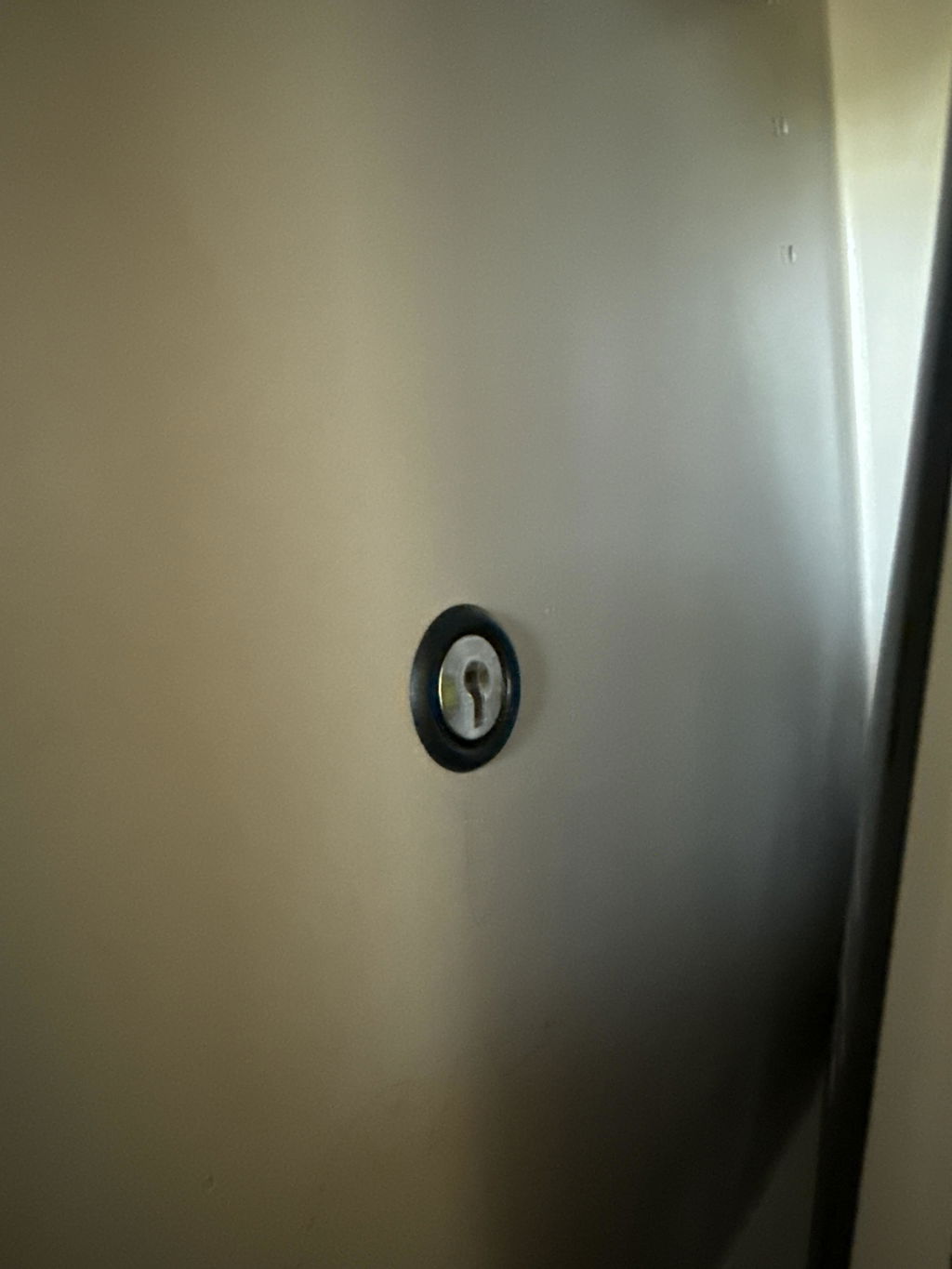
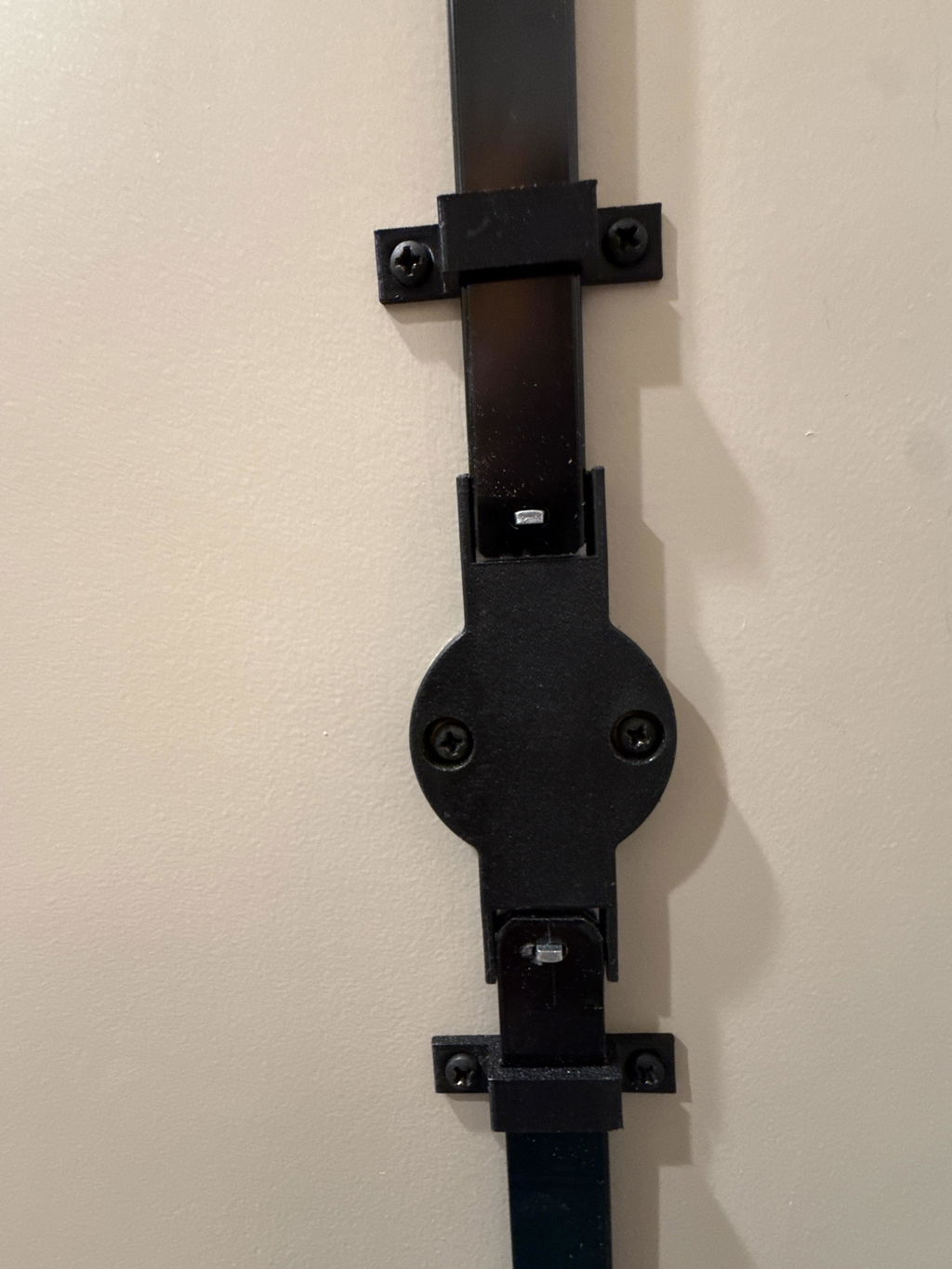
When it comes to hidden doors, the locking system is not just an afterthought—it's a critical part of both security and convenience.
Types of Locking Systems and What to Consider
There are several types of locking systems to consider for a hidden door, each with its own advantages:
Magnetic Locks: Often used for their simplicity and clean look, magnetic locks are easy to operate and can be concealed effectively.
Mechanical or Latch Locks: These provide a more traditional approach and can be integrated into the design. They're often used when a more robust physical lock is needed.
Keypad or RFID Locks: For those looking for added security, electronic options like keypad or RFID locks can offer keyless entry and added control.
Safety and Egress Considerations
It’s also important to consider safety, especially if the hidden door is used as an entry or exit. Ensure that the locking system chosen complies with any local building codes and allows for safe egress in case of an emergency.
Linking Back to Technical Resources
For a more detailed overview of the types of locks and how they integrate into our hidden doors, you can explore our Hidden Door Technical Specifications.
Hide-A-Way Doors Hidden door systems | Posted on December 15 2025