The Real Cost to Install a Secret Door: A 2026 Investment Guide
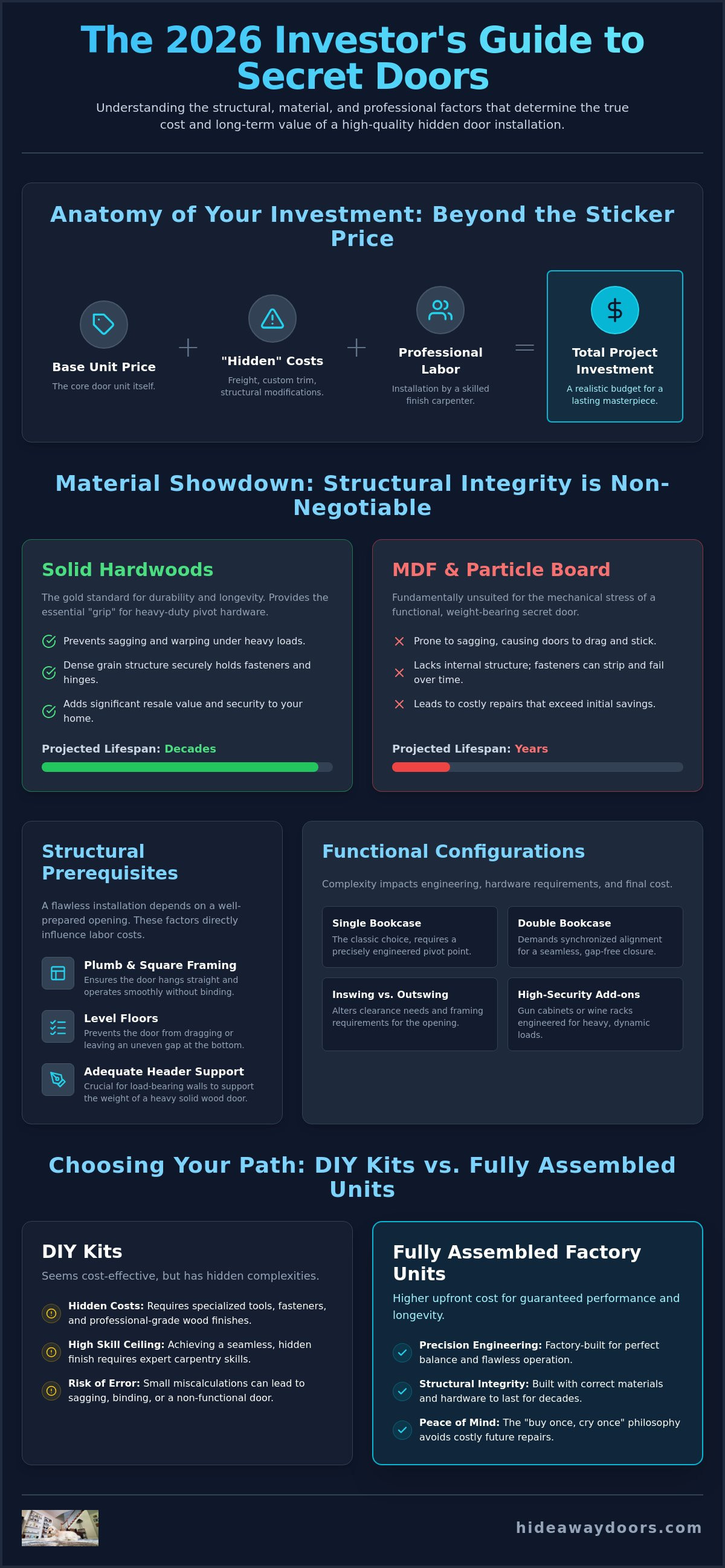
A secret door is a permanent architectural upgrade, not a temporary furniture addition. While a basic hidden bookcase might look charming in a photograph, the reality of the cost to install a secret door often involves more than just the unit itself. You likely understand the frustration of seeing a door that sags or sticks because it wasn't engineered for the weight of real wood or the rigors of daily use. It's a common concern for homeowners who want the intrigue of a hidden passage without the structural headaches of a poorly executed DIY project.
This 2026 investment guide will help you discover the specific structural, material, and professional factors that determine the total investment for a high-quality installation. You'll learn why investing in solid construction over flimsy alternatives is essential for longevity and how to avoid the hidden expenses of structural modifications. We provide a clear roadmap for a successful project, ensuring your secret door remains a functional masterpiece that adds genuine value and security to your home for decades to come.
Understand how door dimensions and weight capacity dictate the precision engineering required for a seamless, long-lasting installation.
Learn why solid wood species like Oak and Walnut are essential for structural integrity, preventing the sagging often seen with cheaper MDF alternatives.
Identify the critical structural requirements, such as plumb framing and level floors, that directly influence the total cost to install a secret door.
Compare the value of fully assembled factory units against DIY kits by accounting for the "hidden" costs of professional finishing and specialized tools.
Explore how specialized configurations like wine racks or gun cabinet doors can integrate high-security concealment with functional home utility.
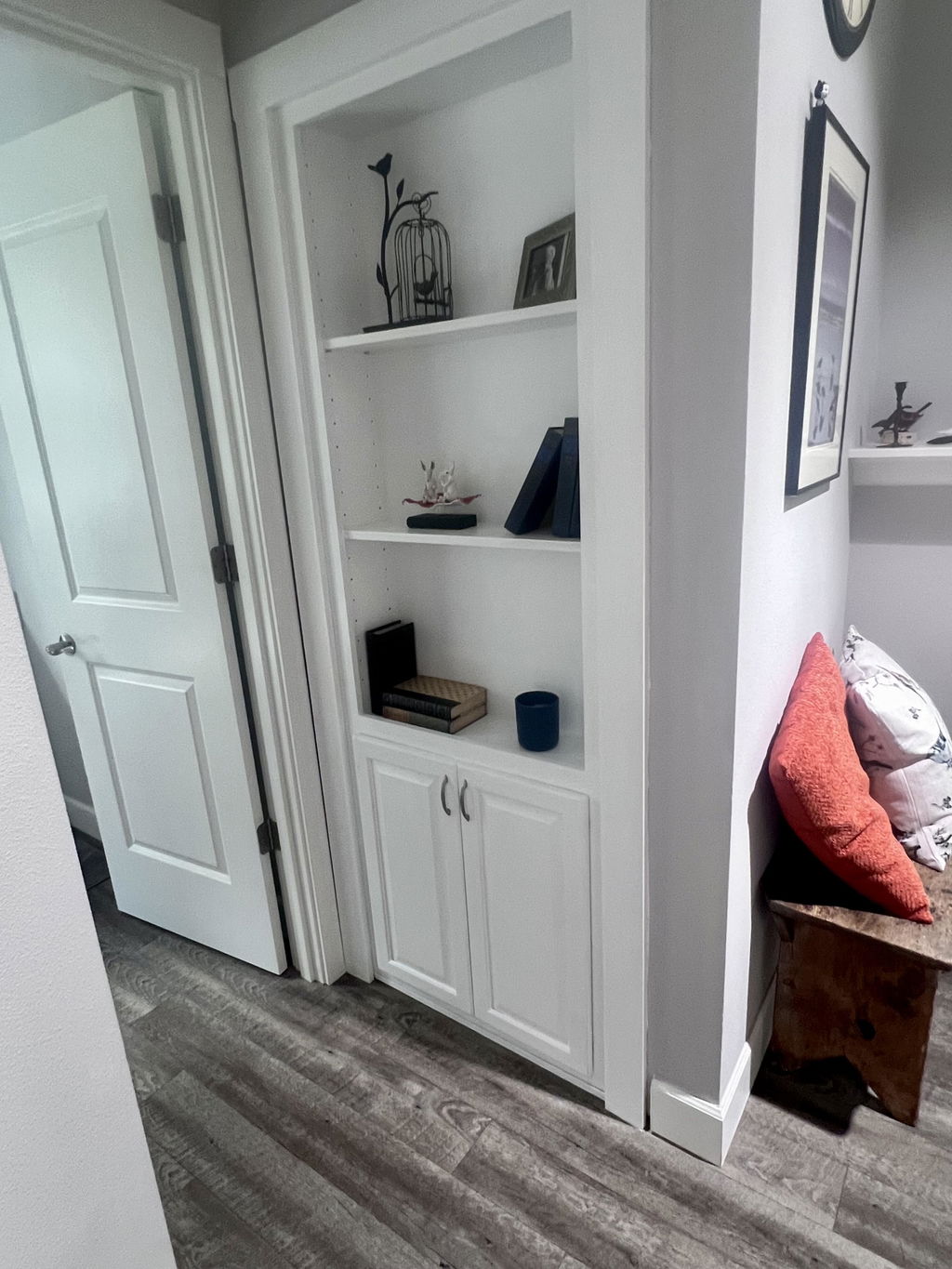
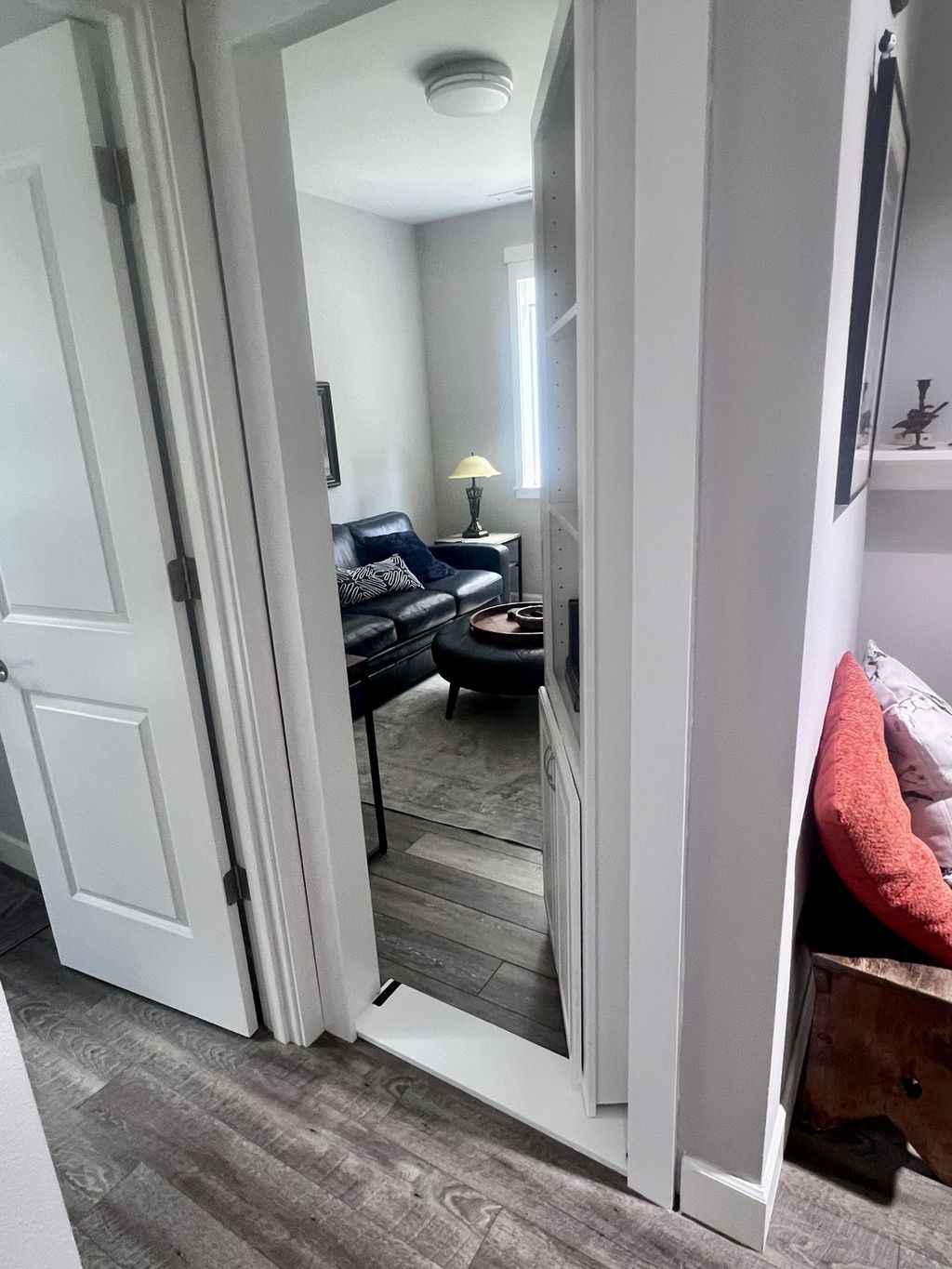
A secret passage is an architectural commitment. It transforms a standard doorway into a functional piece of art, but achieving that seamless "disappearing" effect requires precision beyond standard carpentry. When homeowners evaluate the cost to install a secret door, they often look at the price tag of the unit itself. However, a successful installation involves a holistic view of structural engineering, material weight, and finish details. High quality concealment isn't just about the door; it's about how that door interacts with your home's framing and foundation over time.
Base Unit Prices vs. Total Project Realities
The sticker price on a website is the foundation of your budget, but it's rarely the final figure. Think of the door unit as the core component of a larger mechanical system. Freight shipping for a solid wood Alpha Door, for instance, requires specialized handling because of its substantial weight and oversized dimensions. These units don't arrive in a standard parcel box; they require lift-gate services and careful offloading to prevent damage to the precision-milled wood.
Once the unit arrives, you must account for the trim and molding. To maintain the illusion of secrecy, the new door's casing must perfectly match the existing architectural details of your home. This often involves sourcing custom millwork or hiring a finish carpenter to replicate complex profiles. If your home has unique crown molding or specific baseboard heights, these details must be integrated into the installation to ensure the door remains truly hidden.
The Role of Door Type and Functional Complexity
Different configurations demand different levels of engineering. A single bookcase door is a straightforward pivot, but a Double Bookcase Door requires synchronized alignment to ensure both halves meet perfectly without a visible gap. The complexity increases with specialized units. A Wine Rack Door or a Pool Cue Door carries dynamic weight; the load shifts as you add or remove items. This necessitates heavy duty hardware that won't sag or bind.
Swing Direction: An outswing door requires different clearance and framing than an inswing model, often impacting the structural header requirements.
Shelf Depth: Deeper shelves provide more storage but move the center of gravity, which complicates the pivot point engineering and requires more robust hinges.
Hardware Grade: High traffic areas require industrial strength hinges that can handle thousands of cycles without losing their plumb alignment.
Regional labor variations also play a role. A high end finish carpenter in a major metropolitan area will command a higher rate for the meticulous task of structural adjustment. In the world of home concealment, the "buy once, cry once" philosophy is vital. Cutting corners on hardware or using inferior materials leads to doors that stick, drag, or eventually fail. These failures necessitate expensive repairs that far exceed the initial savings of a cheaper unit.
Material choice is the single most important factor in the longevity of your installation. While big-box retailers often push units made from Medium Density Fiberboard (MDF) or particle board, these materials are fundamentally unsuited for the mechanical stress of a pivoting secret door. MDF is essentially compressed sawdust and glue; it lacks the internal structure to hold heavy-duty fasteners under constant tension. When you load a bookcase with real books, the sheer weight causes composite materials to warp and sag. This structural failure doesn't just ruin the aesthetic; it compromises the concealment. Understanding these material risks is a crucial part of evaluating the total cost to install a secret door.
In contrast, solid wood species like Oak, Alder, and Walnut command a premium for good reason. Their dense grain structures provide the necessary "grip" for pivot hinges, ensuring the door remains plumb for decades. Walnut, known for its deep tones and exceptional stability, is a favorite for luxury libraries. Alder offers a smoother grain that takes stain beautifully, while Oak remains the gold standard for rugged durability. Choosing a high-density wood species is an investment in mechanical reliability that prevents the door from dragging on your floor after just a few months of use.
The ROI of Solid Wood Construction
The lifespan of a real wood unit is measured in decades, not years. Investing in handcrafted hidden doors ensures that the unit can be repaired or refinished if it's ever scratched. You can't sand down or patch MDF without leaving a visible scar. Furniture-grade wood also adds tangible value to your home appraisal. Appraisers recognize the difference between a custom architectural feature and a temporary kit. If you're looking for a legacy-grade solution, you can browse our collection of solid wood secret doors to see the difference in craftsmanship.
Stain Grade vs. Paint Grade Finishing Costs
Finishing is another significant cost driver that impacts the final look. Stain-grade units require meticulous hand-sanding and multi-step staining processes to highlight the wood's natural character. This labor-intensive work ensures the door matches your existing cabinetry perfectly. Paint-grade options are a viable alternative for those who want the strength of real wood without the cost of elite staining. These units are still built from solid wood but use species with less prominent grain patterns. This allows for a smooth, durable finish that blends into your wall while maintaining the structural integrity required for a heavy, pivoting system.
A secret door is only as good as the opening it occupies. While the unit itself is a marvel of engineering, the surrounding architecture must meet exacting standards to ensure the "reveal" remains flawless. When calculating the total cost to install a secret door, homeowners must look beyond the product invoice to the physical environment of the room. Precision is paramount. A floor that is slightly out of level or a wall that isn't perfectly plumb will cause a heavy bookcase door to drift or bind over time.
In load-bearing walls, the challenge intensifies. These walls don't just divide space; they support the weight of your home. Installing a pivoting unit requires specialized structural headers to carry the overhead load while supporting the concentrated weight of a 500-pound bookcase. A professional installation team typically completes a standard secret door setup within four to six hours, depending on the complexity of the trim work. When evaluating the total cost to install a secret door, the logistical benefits of a professional network often outweigh the risks of hiring a localized contractor who lacks experience with specialized pivot hardware.
Retrofitting Challenges and Hidden Costs
Retrofitting an existing doorway often uncovers "invisible" expenses that DIY guides tend to overlook. You aren't just swapping a door; you're often removing existing frames and adjusting rough openings to accommodate the deeper profile of a bookcase or wine rack. Electrical relocation is a frequent necessity. Light switches or outlets located within the swing path must be moved to maintain the illusion of a solid wall. These adjustments, along with the subsequent drywall repair and paint blending, should be factored into your initial investment strategy to avoid surprises during the build.
National Installation Logistics
Utilizing a coordinated national network of installers removes the guesswork from the process. These professionals understand the nuances of weight distribution and the specific tolerances required for a "seamless" look. Proper coordination ensures your warranty remains fully intact, as the hardware is adjusted according to factory specifications. During the on-site phase, installers focus on the fine details: aligning the trim, testing the pivot resistance, and ensuring the door operates with a quiet, confident glide. This level of expertise ensures that the finished project feels like a permanent part of the home's heritage rather than an aftermarket addition.
A secret door's value isn't limited to its mystery; it's often defined by its utility. Beyond the standard bookcase, custom configurations allow you to integrate high-security features or specialized hobby storage directly into your home's architecture. These additions represent a strategic shift from simple concealment to active asset protection. When you factor in these specialized upgrades, the total cost to install a secret door reflects a dual investment in both home security and bespoke furniture design. High-end customization ensures that your door serves a purpose beyond mere novelty.
Security Features for Safe Rooms and Vaults
For those prioritizing home defense, a gun concealment door offers a discreet yet accessible solution for firearms. Security-grade secret doors are a superior alternative to traditional safes because they prevent a threat from locating your valuables in the first place. This "hidden in plain sight" strategy is reinforced by the engineering of the Alpha concealment door, which utilizes industrial-strength pivot points designed to support hundreds of pounds of gear without compromising its smooth, quiet operation.
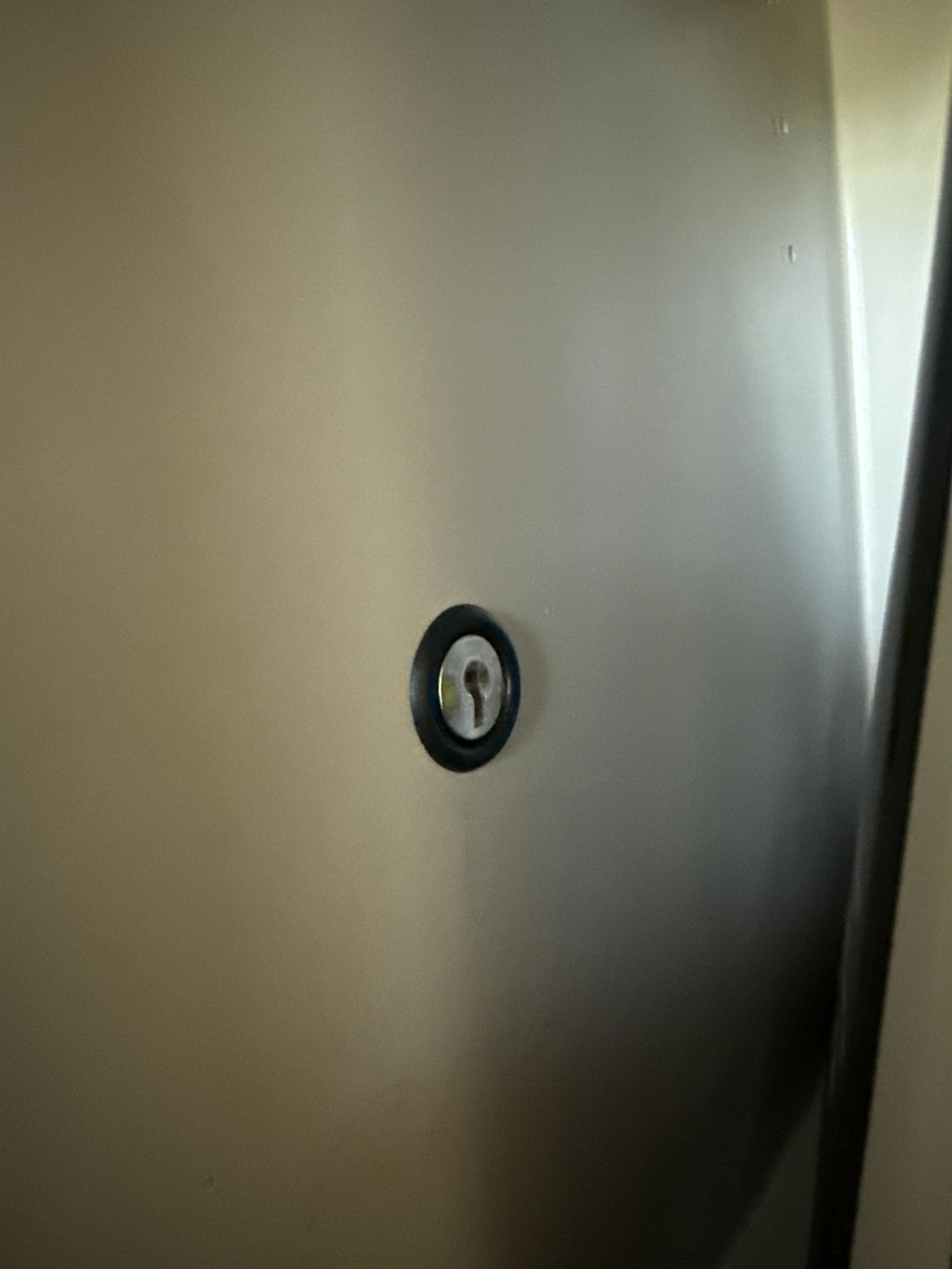
Locking mechanisms add another layer of technical complexity. Magnetic locks provide a clean, hardware-free exterior that's impossible to pick or tamper with from the outside. Biometric scanners offer rapid, secure entry for authorized users, while mechanical locks remain a dependable choice for those who prefer a tactile, power-independent solution. Each system requires specific electrical or structural integration during the build phase, which influences the final installation requirements.
Specialized Hobby and Utility Doors
Hobbyists often choose to integrate their passions into their secret entrances. A Pool Cue Door or a Wine Rack Door requires bespoke cabinetry inserts that are precision-milled to fit the door frame perfectly. These units must balance aesthetic beauty with the functional weight of the items they hold. A fully stocked wine display, for example, adds significant dynamic load to the hinges. This necessitates the rugged craftsmanship found in professional-grade systems to ensure the door doesn't bind or drag under the weight of your collection. If you're ready to design a custom solution, you can view our full range of specialized doors to find the perfect fit for your space.
Bespoke inserts within the door frame allow for a seamless transition between rooms. Whether it's a cigar humidor or a display for fine collectibles, the engineering must account for the depth of the items and the clearance needed for the pivot. This level of detail ensures that your secret door remains a durable, functional masterpiece that stands up to daily use while maintaining its hidden profile.
Deciding between a self-built project and a factory-finished unit is a pivotal moment in your home renovation. While the initial price of DIY Door Kits may seem attractive, the total cost to install a secret door using this method often swells when you account for high-grade materials and professional-grade tools. It's a choice between the labor of the workshop and the precision of a master artisan's factory. For many, the path depends on their existing skill set and the level of finish they demand for their home.
The True Cost of DIY Projects
DIY projects carry hidden expenses that rarely appear on a receipt. If you choose a kit, you're responsible for sourcing furniture-grade hardwood, which requires significant research to find quality stock. Beyond materials, you must factor in the cost of specialized machinery, such as heavy-duty routers and precision clamping systems, required to ensure the unit remains square. Common mistakes in the DIY world often lead to sagging doors or visible seams, which instantly compromise the secrecy of the entrance. A kit makes the most sense for the experienced woodworker who already possesses a fully equipped shop and the patience for meticulous alignment.
Why a Handcrafted Masterpiece is the Smarter Investment
Choosing a fully assembled Alpha Door represents the pinnacle of factory engineering. These units arrive with furniture-grade finishes and the assurance that every pivot point has been tested for a lifetime of use. You aren't just buying a door; you're buying the peace of mind that comes from a unit that won't drag on your carpet or stick in its frame. The long-term durability and the genuine "wow factor" of a perfectly hidden entrance provide a return on investment that kits struggle to match.
Precision Alignment: Factory-assembled units are built on specialized jigs to ensure they're perfectly plumb.
Expert Finishing: Achieving a multi-step stain or a flawless paint-grade finish at home is notoriously difficult.
Structural Security: Professional units are designed to handle the dynamic loads of a fully stocked bookcase without failing.
As you finalize your budget for a 2026 secret door project, consider the value of your time and the cost of potential errors. While the DIY path offers a sense of personal accomplishment, the professional path ensures your secret entrance remains a functional, beautiful, and secure part of your home's heritage for decades to come.
A secret door is more than a simple home improvement; it's a permanent architectural legacy. As we've explored, the total cost to install a secret door is a calculated investment in material integrity and structural engineering. By choosing solid wood over fragile composites and opting for professional installation, you avoid the common pitfalls of sagging and misalignment. You aren't just buying a doorway; you're commissioning a functional masterpiece that adds both security and intrigue to your home's footprint.
Hide-A-Way Doors has been family-owned and operated since 2012. We remain dedicated to the art of fine woodworking, crafting every unit from real, durable wood without the use of MDF or particle board. Our national installation network ensures that your vision is executed with technical precision, regardless of your location. It's time to transform your space with a solution built to last a lifetime. Design your custom handcrafted secret door today and discover the quiet confidence of a perfectly executed project.
How much does it cost to install a secret door on average?
The total investment depends on the door's complexity and the structural needs of your home. Industry data indicates that professional labor alone usually ranges from $500 to $2,000, which covers the specialized carpentry required for a seamless fit. When you evaluate the total cost to install a secret door, you must account for the unit price, shipping logistics, and any necessary framing adjustments.
Can I install a secret bookcase door in an existing doorway?
Yes, most secret doors are designed for retrofitting into standard openings. This process involves removing the original door and casing to expose the rough opening. You may need to slightly modify the framing or relocate nearby electrical switches to ensure the new unit has enough clearance to pivot without obstruction.
Does a secret door require a special load-bearing header?
Structural headers are necessary if the door is being placed in a load-bearing wall. These headers ensure the weight of the house remains supported while the door unit itself carries the weight of your books or display items. A professional installer will assess your wall's requirements to prevent any sagging or structural compromise over time.
Is it cheaper to buy a DIY kit or a fully assembled secret door?
A DIY kit has a lower upfront price but often results in higher secondary costs. You'll need to purchase high-quality hardwood, specialized woodworking tools, and finishing supplies separately. A fully assembled unit provides better long-term value because it arrives precision-engineered and factory-finished, which eliminates the risk of costly assembly mistakes.
How much does shipping a heavy wood secret door typically cost?
Shipping rates are determined by the unit's total weight and the distance it travels from the workshop. Since these are oversized, furniture-grade objects, they require freight shipping with lift-gate services. This ensures the door is handled with care and delivered safely to your property without the damage risks associated with standard parcel carriers.
Do hidden doors add value to a home during resale?
High-quality hidden doors function as custom architectural upgrades that can increase a home's appeal. Unlike cheap kits, a handcrafted wood door is viewed as a permanent built-in feature. Appraisers and buyers often recognize the added security and craftsmanship, which distinguishes the property in a competitive real estate market.
What is the difference in cost between MDF and real wood secret doors?
MDF units are less expensive initially but lack the structural strength to handle heavy loads. Real wood requires a higher initial investment due to the material's durability and natural beauty. Choosing real wood actually lowers the long-term cost to install a secret door because it won't sag or require replacement after a few years of use.
How long does a professional installation of a secret door take?
A standard professional installation is usually completed within four to six hours. This timeframe allows the team to remove the existing door, align the new pivot hardware with precision, and install matching trim. More complex projects involving double doors or high-security locking systems may require additional time for calibration.