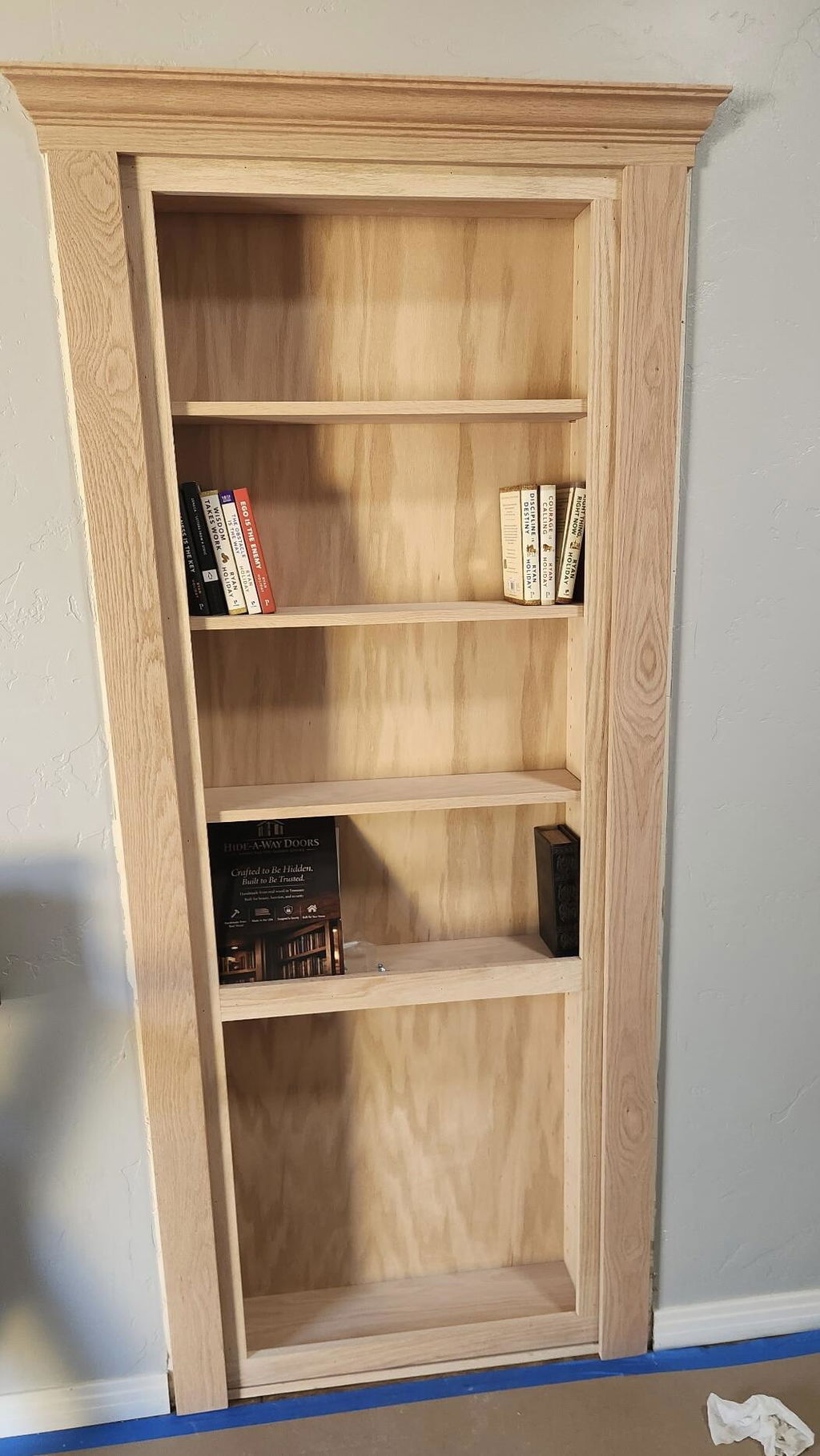
Hidden Door Installation Cost: A 2026 Guide to Budgeting for Secret Passages
Architectural integrity over clever novelty. A hidden door is not merely a piece of furniture; it is a structural element where material quality dictates your total investment. While the allure of a secret passage often begins with a search for mystery, the reality of the hidden door installation cost involves much more than a simple hinge. You've likely seen the disparity between flimsy flat-pack kits and artisan-grade systems, leaving you to wonder why the price gap is so vast. It's a valid concern, especially when the longevity of your home's structural health and the safety of your flooring are at stake.
We agree that a secret room shouldn't come with the fear of a sagging door or damaged floors. You deserve a solution that functions as perfectly in a decade as it does on day one. This guide provides a clear roadmap for budgeting your project, from selecting heavy-duty solid woods to planning for professional labor. You'll discover how proprietary hinge systems and structural wall modifications influence the final investment, giving you the confidence to move from initial inspiration to a masterfully executed reality.
Key Takeaways
Identify the three primary pillars of investment, including product quality, logistics, and specialized labor, to keep your project on budget.
Learn why premium materials like Walnut or Cherry are essential for preventing the structural sagging common in mass-produced kits.
Calculate a realistic hidden door installation cost by understanding the necessity of professional finish carpentry for a seamless result.
Discover how to avoid expensive fabrication errors by mastering the measurement process for specialized units like the Alpha Door.
Understanding the Total Investment for Hidden Door Projects
Precision engineering is the silent foundation of every successful secret room. Unlike a standard interior door that simply partitions space, a hidden door serves as a structural architectural element designed to mask its own existence. To calculate a realistic hidden door installation cost, you must look beyond the sticker price of the unit itself. A professional grade project rests on three distinct pillars of investment: the handcrafted product, specialized freight shipping, and expert installation labor. Each component is vital to ensuring the door operates with the quiet, smooth motion expected of high-end craftsmanship.
The history of secret passages shows us that concealment was once the work of master stonemasons and royal architects. Modern versions, such as the Alpha Door or a Mirror Door, require similar levels of technical foresight. A standard door is lightweight and hangs from a frame. In contrast, a secret bookcase door may carry over 300 pounds of weight. This necessitates a proprietary hinge pin system that transfers that load directly to the floor rather than the wall studs. Choosing between an in-swing or out-swing configuration further dictates complexity; out-swing doors often require more intricate casing work to maintain the illusion of a seamless wall, directly impacting the hours required for a finish carpenter to complete the task.
The "Hidden" Costs of Cheap Hardware Kits
It's tempting to look at basic pivot hinges found on hobbyist forums and assume the project is a simple weekend task. However, buying a hardware kit alone often leads to expensive framing errors. Without a pre-hung system, a contractor must spend hours custom-building a door box from scratch, often exceeding the cost of a factory-built unit in labor alone. More importantly, DIY kits lack the weight-bearing engineering of professional systems. This frequently results in the door sagging, which causes permanent gouges in hardwood floors or cracks in the surrounding drywall as the frame twists under the load.
Defining the Scope: New Construction vs. Retrofitting
The timing of your project significantly influences the structural labor involved. Planning for a secret passage during a new build allows you to frame the rough opening to exact specifications, saving on demolition costs. Retrofitting an existing wall requires a more methodical approach. A finish carpenter must carefully cut into the drywall, potentially move non-load-bearing studs, and adjust the rough opening to accommodate the unit. The depth of your wall also plays a role. Whether you have standard 4-inch studs or a deeper 6-1/2-inch jamb, measuring your opening accurately is the first step in avoiding custom fabrication fees that can arise from unexpected site conditions.
Factors That Influence the Base Product Price
The core of your hidden door installation cost begins with the raw materials. Choosing the right wood species isn't just about the grain pattern; it's a decision that affects the door's structural lifespan and its ability to blend into your existing decor. While paint-grade Alder provides a smooth, versatile surface for a cohesive wall look, premium hardwoods like Walnut or Cherry command a higher price due to their density and scarcity. These materials offer the superior screw-holding power required to support a fully loaded bookcase or a specialized Gun Cabinet Door without the risk of hardware failure over time.
Configuration also plays a major role in the initial investment. A single unit is a standard choice for most closets or small pantries. However, a Double Bookcase Door requires synchronized engineering to ensure both halves meet perfectly in the center with zero light bleed. This level of precision requires additional bench time from a master artisan, which is reflected in the base price of the unit. Each door is a piece of high-functioning cabinetry, designed to move with a quiet confidence that standard interior doors simply cannot match.
The Impact of Wood Species and Finish
Durability is non-negotiable when a door must support 300 or more pounds of weight. We prioritize real wood construction using Oak, Maple, and Alder because these species resist the "creeping" or warping that plagues cheaper alternatives. A stain-grade finish requires higher-quality wood selection with fewer knots, which increases material costs but results in a stunning, furniture-grade appearance. In contrast, paint-grade options allow for a more budget-friendly entry point while still maintaining the structural integrity of solid wood. If you're ready to see how these materials look in a finished home, you can explore our handcrafted collections to find the right fit for your space.
Custom Engineering and Specialized Cabinetry
Beyond basic shelving, functional inserts like a Wine Rack Door or a Pool Cue Door add layers of complexity to the build. Each of these designs must maintain its balance and concealment while housing specific, often heavy, items. The backing material is another variable. A standard backing is sufficient for light items, but a high-security unit or a Mirror Door might require a structural panel or specialized glass, adding to the material weight and the sophistication of the hinge adjustment.
The most advanced option available is the Alpha Door. This system represents the pinnacle of concealment for high-security applications. For homeowners prioritizing elite security, Alpha concealment doors integrate specialized trim and cabinetry techniques that make the entrance virtually indistinguishable from permanent wall fixtures. This "Alpha" factor increases the manufacturing cost because it involves tighter tolerances and more labor-intensive finishing processes to ensure the door remains invisible to the untrained eye.
Breaking Down Professional Installation and Labor Costs
A standard interior door is a straightforward task for any general laborer. A hidden door, however, is a precision architectural installation that requires the steady hand of a finish carpenter. When calculating your hidden door installation cost, the quality of labor is just as critical as the quality of the wood. A master artisan understands that tolerances are measured in sixteenths of an inch, not quarters. If the frame is even slightly out of square, the illusion of a seamless wall is shattered. For a standard pre-hung bookcase door, a professional installer typically requires between four and eight hours to ensure the unit is perfectly plumb and the reveal is consistent.
Our national installation network bridges the gap between expert manufacturing and localized service. These professionals are familiar with our specific engineering, including the proprietary hinge pin system that carries over 300 pounds. This expertise is vital when dealing with structural modifications. If you're cutting into a load-bearing wall to create a secret passage, a contractor must install a new header to maintain the home's structural integrity. This level of work goes beyond simple aesthetics and enters the realm of home engineering, ensuring the door remains functional for decades without compromising the building's skeleton.
The Installation Process: A Step-by-Step Cost Perspective
The process begins with meticulous site preparation. An installer must remove existing trim and verify that the rough opening dimensions match the order exactly. Setting the threshold is the most critical phase. Because our systems transfer the weight of the door directly to the floor, the subfloor must be perfectly level. If it isn't, the installer must shim and reinforce the base to prevent future sagging. Finally, the trim and casing are applied. This isn't standard molding; it's a careful scribing process that ensures the door truly disappears into the surrounding architecture by matching the existing wall textures and lines.
Factors That Increase Labor Complexity
Certain configurations naturally demand more time and technical skill. Converting a standard doorway into a double bookcase secret door involves aligning two separate units to meet with zero light gap. This doubles the complexity of the threshold leveling and the casing alignment. Electrical integration is another factor. If you've chosen to include magnetic locks or integrated lighting within the shelves, an electrician or a specialized carpenter must route wiring through the jamb without compromising the concealment. Lastly, if the door is exceptionally heavy, the subfloor may require additional blocking to handle the point-load weight effectively, adding another layer to the labor scope.
The Long-Term Value: Real Wood vs. Cheap MDF Alternatives
Budget-conscious homeowners often view Medium Density Fiberboard (MDF) as a way to lower the initial hidden door installation cost. While the upfront savings are visible on paper, the long-term reality is often one of structural disappointment. MDF is essentially compressed wood fibers held together by resin. Under the constant tension of a pivoting door, it lacks the internal strength to maintain its shape. Real wood construction is the only choice for a door designed to carry a full library or a collection of spirits without failing under the pressure of gravity.
The "Sagging Factor" is a documented issue for doors made from particle board or MDF. Within 24 to 48 months, these materials often begin to "creep," a slow deformation that causes the bottom of the door to bind against the floor. Once this happens, the secret is out; a door that scrapes and sticks is no longer hidden. Real wood species like Oak, Cherry, and Walnut possess the natural rigidity to resist this warping. They also offer superior screw-holding power. In an MDF door, hinges can pull loose over time because the material crumbles under stress. Solid wood allows the hardware to bite deep into the grain, ensuring the door remains perfectly aligned for decades.
Structural Integrity and Weight Capacity
Our proprietary hinge pin system is engineered to support over 300 lbs, a weight capacity that would tear standard screws right out of a fiberboard panel. When a cheap door fails, it doesn't just stop working; it often damages the surrounding trim and the floor finish, leading to repair bills that far exceed the original savings. Load-bearing integrity in secret passages represents the door's ability to maintain a perfectly square profile and smooth operation while supporting its own weight and the contents on its shelves over years of constant use. Invest in a door that lasts a lifetime by choosing a real-wood hidden system today.
Aesthetic Longevity and Home Value
A handcrafted hidden door functions as a permanent architectural upgrade rather than a temporary furniture hack. In the luxury real estate market, the "Wow Factor" of a secret room is a significant selling point that increases home equity. Furniture-grade finishes on solid wood complement existing high-end cabinetry in a way that painted MDF simply cannot match. If a real wood door is scratched, it can be sanded and refinished to its original glory. MDF, once damaged or swollen from humidity, usually requires total replacement, making it a poor choice for a permanent home investment.
How to Plan and Quote Your Hidden Door Project
Planning your project requires a transition from the initial inspiration to technical execution. To manage your total hidden door installation cost effectively, you must start with a foundation of precision. Step one is measuring your opening with absolute accuracy. This step prevents the custom fabrication fees that occur when a unit arrives and doesn't fit the rough opening, a mistake that can derail both your timeline and your budget. You'll need to verify the width, height, and jamb depth of your wall to ensure the pre-hung unit seats perfectly within the structural frame.
Choosing the right product format is the next hurdle for your budget. DIY Door Kits offer the raw wood components for those with advanced woodworking skills and their own shop tools. However, most homeowners find the best value in fully finished, pre-hung units. These arrive ready to be tilted into the opening, which significantly reduces the hours a finish carpenter spends on-site. Once you've selected your model, request a professional installation quote through our verified network to ensure the proprietary hinges are set correctly for long-term use.
Don't overlook the logistics of moving heavy, solid-wood architectural elements. Unlike flat-pack kits made of fiberboard, a real-wood bookcase door is a substantial freight item. It arrives on a pallet, requiring coordinated delivery and a plan for moving it into your home. Factoring in these freight logistics early ensures there are no surprises when the unit reaches your driveway. These doors are built to last a lifetime, and their weight is a direct reflection of that enduring quality.
Maximizing Your Budget Without Sacrificing Quality
If the hidden door installation cost is a primary concern, consider "Paint Grade" Alder. This species offers the same load-bearing strength as Oak or Walnut but at a more accessible price point. You can also order your door unfinished and handle the staining locally to match your existing trim exactly. For many, investing in a gun concealment door represents a one-time cost for lifetime security, providing both functional storage and a hidden vault that adds immediate value to your property.
Finalizing Your Order and Installation Timeline
In 2026, handcrafted manufacturing requires a deliberate pace to ensure every joint and hinge pin is perfect. While industry trends show that many homeowners desire a two-week turnaround, artisan quality often requires a slightly longer lead time for custom builds. We recommend coordinating with your contractor as soon as your order is placed. A well-prepared rough opening allows for a seamless one-day installation once the unit arrives. Get a custom quote for your handcrafted hidden door project today.
Secure Your Legacy with Architectural Precision
Investing in a secret passage is a commitment to both security and sophisticated home design. The total hidden door installation cost reflects more than just a purchase price; it's an investment in structural integrity and enduring value. By prioritizing real wood over sagging MDF and utilizing our nationwide professional installation network, you protect your home from the long-term failures that plague cheaper hardware kits. Since 2012, our family-owned shop has focused on artisan manufacturing, ensuring every unit operates with the quiet confidence of a masterwork.
You now have the roadmap to plan your project with precision. From accurate site measurements to selecting the perfect hardwood species, every decision you make today builds toward a discovery that will delight for decades. We're proud to offer a real wood guarantee, ensuring your investment remains as sturdy as the day it was installed. Your home's secret is safe with us.
How much does a professional hidden door installation typically cost?
Professional labor for a secret entrance generally ranges between $500 and $2,000, depending on the complexity of the project. This hidden door installation cost covers the expertise of a finish carpenter who must ensure the unit is perfectly plumb and the reveal is invisible. Factors such as structural wall modifications or electrical integration for locks will influence the final labor total. Local market rates for master carpenters typically dictate the hourly investment.
Can I install a hidden bookcase door in an existing load-bearing wall?
You can install a hidden door in a load-bearing wall, but it requires the addition of a structural header. This process involves temporary shoring to support the weight of the floor above while the new frame is constructed. Because this involves the home's skeleton, we recommend consulting a structural engineer or a licensed contractor. A properly installed header ensures the opening remains square, which is essential for the door's smooth operation.
Is it cheaper to buy a hidden door kit or a pre-assembled unit?
A DIY Door Kit is less expensive at the point of purchase, but a pre-assembled unit often provides better long-term value. Kits require you to provide your own wood and spend significant hours on assembly and finishing. A pre-hung unit arrives engineered for immediate installation, which drastically reduces the hours you must pay a professional carpenter. For most homeowners, the precision and time saved by a factory-built unit outweigh the initial kit savings.
What is the difference in cost between MDF and real wood hidden doors?
MDF units are often priced significantly lower than solid wood alternatives, frequently starting under $1,000 for basic kits. However, real wood species like Oak or Walnut are considered permanent architectural upgrades. While the initial hidden door installation cost for wood is higher, it prevents the inevitable sagging and hardware failure associated with fiberboard. Real wood offers the screw-holding power and rigidity necessary to support heavy loads for decades without requiring replacement.
Does a hidden door add value to my home appraisal?
A professionally installed, real-wood hidden door acts as a high-end architectural feature that can enhance a home's marketability. While appraisers may categorize it as a custom built-in or a luxury upgrade, the "wow factor" often serves as a powerful selling point in competitive real estate markets. Handcrafted units like a Double Bookcase Door or a Mirror Door suggest a level of bespoke craftsmanship that appeals to buyers seeking unique security and aesthetic features.
How much weight can a standard hidden bookcase door hold?
Our standard bookcase doors are engineered with a proprietary hinge pin system rated to support over 300 pounds. This capacity allows you to fill the shelves with heavy hardcover books, spirits, or collectibles without compromising the door's alignment. Unlike standard hinges that pull on the wall studs, our hardware transfers the weight directly to the floor. This structural design ensures the door remains easy to operate even when fully loaded with your personal items.
Do I need a special permit to install a secret room door?
You generally don't need a specific permit just to replace an existing interior door with a hidden unit. However, if your project involves cutting a new opening in a load-bearing wall or adding electrical circuits for secret locks, local building codes usually require a permit. It's best to check with your local building department to ensure compliance with egress requirements. Safety is paramount, especially if the hidden door serves as an entrance to a bedroom.
How long does the installation of a secret door usually take?
A professional installer typically completes a standard pre-hung hidden door installation within four to eight hours. This timeline assumes the rough opening is already prepared and the subfloor is level. If the project requires retrofitting an existing wall or adding custom trim to match intricate home molding, the process may extend into a second day. Coordinating with a finish carpenter ensures the meticulous details, such as the reveal and threshold, are handled with precision.